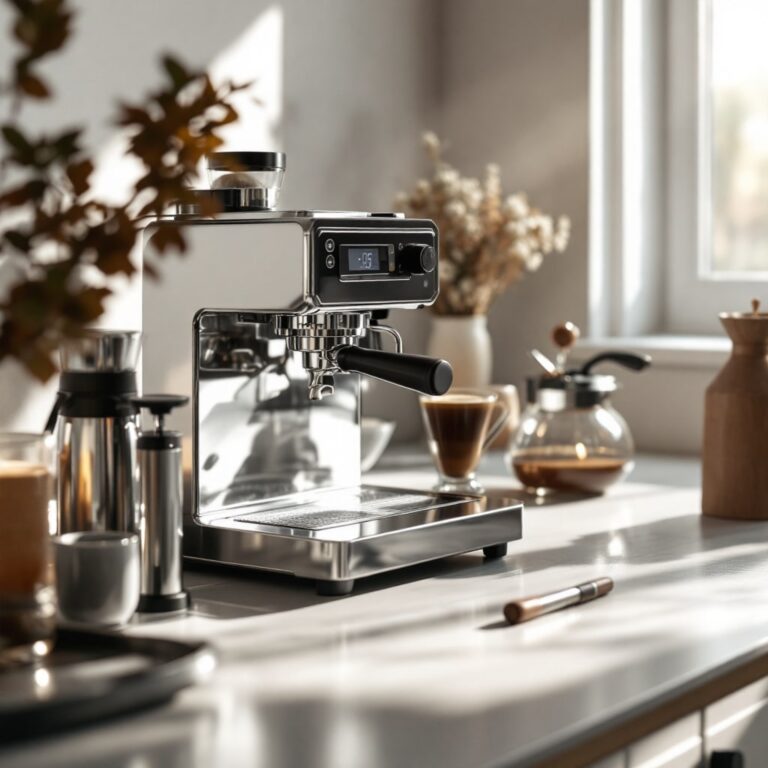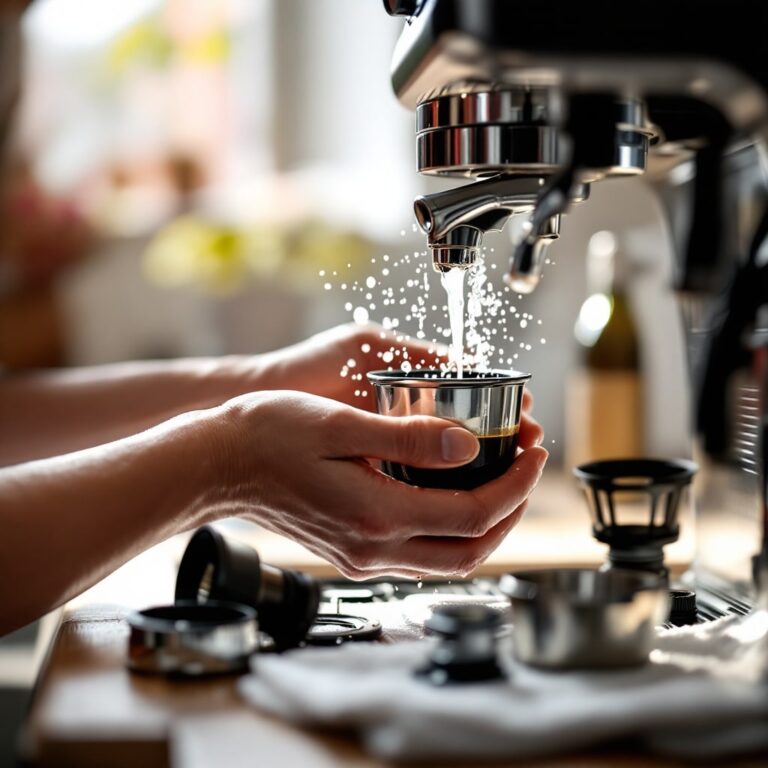
If you’re reading a De’Longhi Magnifica review, chances are you’re trying to figure out whether this machine actually holds up once the new appliance excitement wears off. I get it. Most espresso machines look great for the first week. But what happens after a few hundred shots, when the grinder, brew group, and frother have faced daily abuse? After more than 500 cups through my own Magnifica, here’s the long-term truth.
I’ve reviewed kitchen appliances for years, but espresso machines are the ones that really benefit from long-term testing. First impressions can be misleading. A machine might pull a decent first espresso, then slowly get louder, weaker, or more finicky over time. That’s why I wanted to put together something more practical than a typical out-of-the-box overview.
Want to know how the Magnifica performs after real daily use? This one’s for you.
The De’Longhi Magnifica Lineup Explained: S vs. Evo vs. Original
Before I owned one, I thought the Magnifica line was one machine. Turns out it’s a whole family with small but important differences.
So let me break it down:
Magnifica Original (ESAM series):
- Cheapest option
- Basic digital panel
- Same core brewing system as the newer models
- Usually the best value for espresso-only drinkers
Magnifica S (ECAM 22.110 and variants):
- Better interface
- Slightly quieter grinder in my experience
- More reliable steam performance
- When you’re reading a De’Longhi Magnifica S review, this is the one most people mean
Magnifica Evo:
- More modern design
- One-touch drinks if you get the higher-end variant
- Improved milk system on some models
- Popular with folks who prioritize convenience over budget
And here’s something that surprised me. The brew technology is basically the same across all three. So espresso quality doesn’t change much between models. You’re really paying for the interface, milk system, and level of automation you want.
Feeling overwhelmed? My rule of thumb is simple: buy the Original for the lowest price, the S for the best value, and the Evo for one-touch convenience.
My Espresso Settings, Dialed In After 500 Shots
People always ask me how to make better espresso with the De’Longhi Magnifica, because out of the box, the coffee can taste a little light. The machine is capable of better espresso than most beginners ever get from it, though.
These are the settings that finally gave me a consistently solid shot:
Grind setting: 2
This is on the finer side. Only adjust while the grinder is running.
Temperature: High
The Magnifica runs cooler than premium machines. Bumping up the temp helps a lot.

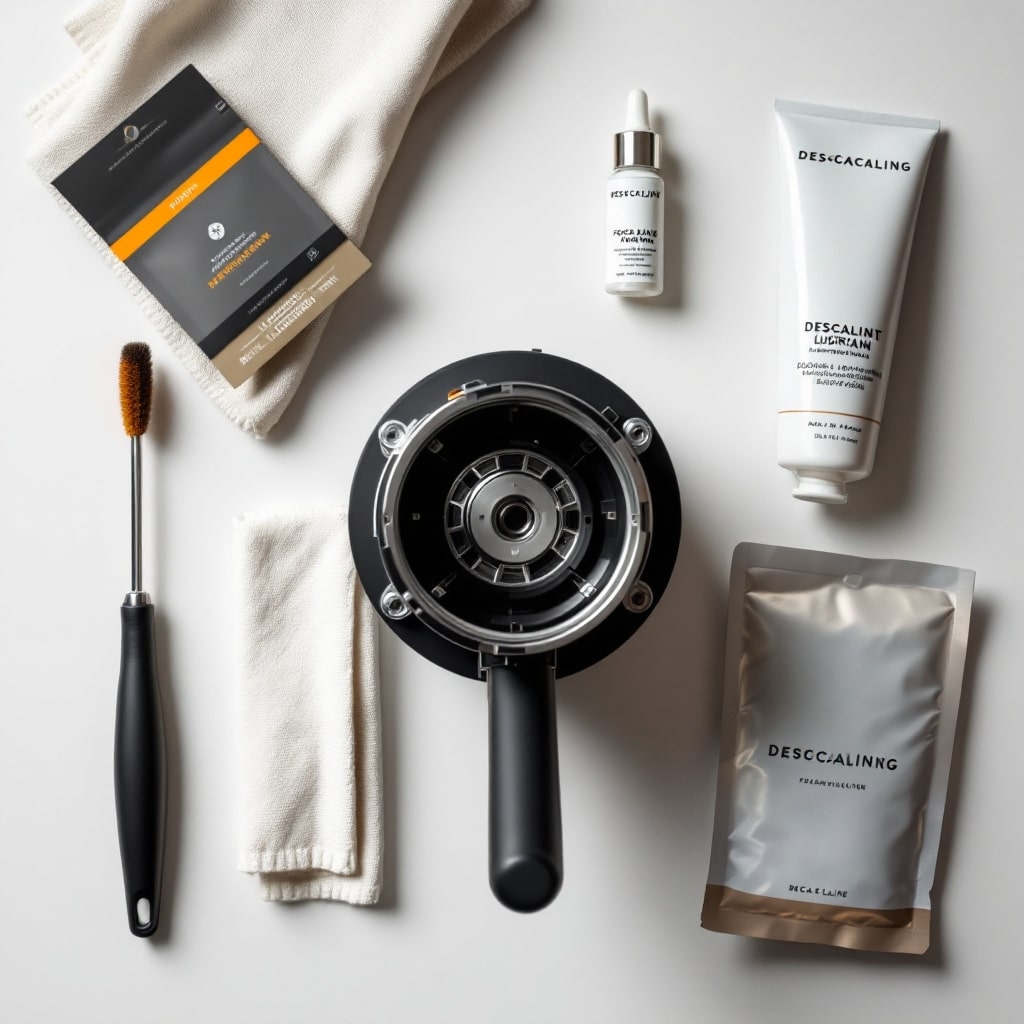
Strength dial: Around 3 o’clock
This gives a fuller flavor without bitterness.
Double shot always:
Even if you want a single, use the double setting. The puck extracts better.
Beans: Medium to dark
The machine struggles with very light roasts.
With these settings, the De’Longhi Magnifica espresso quality becomes noticeably richer. I’ve tested dozens of fully automatic machines around this price, and with the right adjustments, the Magnifica holds its own.
Honest Pros and Cons: Daily User Perspective
After months of daily use, I’ve got a pretty realistic list of what works and what doesn’t. These are the real De’Longhi Magnifica pros and cons from someone who actually lives with this thing.
Stuff I love:
- Reliable extraction every morning
- Surprisingly consistent grinder for the price
- Easy maintenance, no nonsense
- Simple controls that anyone in the house can figure out
- Replacement parts are generally more affordable than premium brands like Jura
Stuff that gets annoying:
- Grinder is louder than newer machines
- No fancy touchscreen or drink customization
- Manual steam wand on most models
- Light roasts taste flat unless you dial them in carefully
- Water tank feels a little small when you’re making multiple drinks per day
Most of these quirks aren’t dealbreakers. The only ongoing frustration for me? The noise. At 6 a.m., it’s noticeable.
De’Longhi Magnifica vs. Philips 3200: A Side-by-Side After Using Both
The De’Longhi Magnifica vs. Philips 3200 comparison is the one buyers ask me about the most. I’ve used both long-term, and honestly, they’re aimed at slightly different people.
Philips 3200 wins at:
- Milk convenience with the LatteGo system
- Smoother user interface
- Slightly quieter operation
- Better for beginners who want one-touch drinks
Magnifica wins at:
- Better espresso body and flavor
- More durable brew group in my experience
- Cheaper replacement parts
- Better long-term value
Mainly drink milk drinks and want something effortless? The Philips 3200 feels nicer. But when espresso shot quality matters more to you, the Magnifica pulls ahead.
Cleaning and Maintenance: The 15-Minute Monthly Routine That Prevents Problems
People underestimate cleaning. And then they complain six months in when the machine tastes burnt or starts leaking. Sound familiar?
This is what works for me:
Daily:
- Empty the pucks
- Rinse the drip tray
- Quick purge of the steam wand
Weekly:
- Wipe the bean hopper
- Rinse the water tank
- Run hot water through the spouts
Monthly (the important 15 minutes):
- Remove and rinse the brew group
- Light lubrication on the rails
- Descale if your water is hard
- Deep clean the steam wand tip
Do this, and you’ll avoid 90 percent of the issues people complain about online.
Is the De’Longhi Magnifica Worth It? A Cost-Per-Cup Analysis
People love asking: is the De’Longhi Magnifica worth it? Or even more specifically, is the De’Longhi Magnifica worth buying for home users?
Let me show you the math from my last year:
Café latte average cost: $4.50
Home latte cost with beans and milk: About $0.80
Savings per cup: Varies depending on your local café prices and bean choices, but typically between $2.50 and $5.00
After 500 cups, the savings add up quickly. For most users, the machine can pay for itself within a year or two of regular use.
Even compared to competitors, the value holds:
- Cheaper than Philips 4300
- Way cheaper than Jura
- Easier to maintain long-term
When you’re brewing at least one drink a day, the cost-per-cup numbers make this a smart buy.
So what’s the bottom line of this long-term De’Longhi Magnifica review? After 500 cups, the machine still pulls a consistent shot, still cleans easily, and still hasn’t given me any major mechanical issues. That alone puts it ahead of a lot of budget automatics.
Buy it if:
- You want strong value for money
- You prefer espresso flavor over fancy touchscreen features
- You don’t mind a manual steam wand
- You want something reliable long-term
Skip it if:
- You want one-touch milk drinks
- You hate noisy grinders
- You prefer super light-roast beans
Fall into the first group? The Magnifica is absolutely worth it. It’s not perfect, but it performs where it matters, every single day.
Want a comparison article next? I’d suggest something like this: De’Longhi Magnifica vs. Philips 3200 Review.
Let me know if you want help picking the exact Magnifica model for your budget.