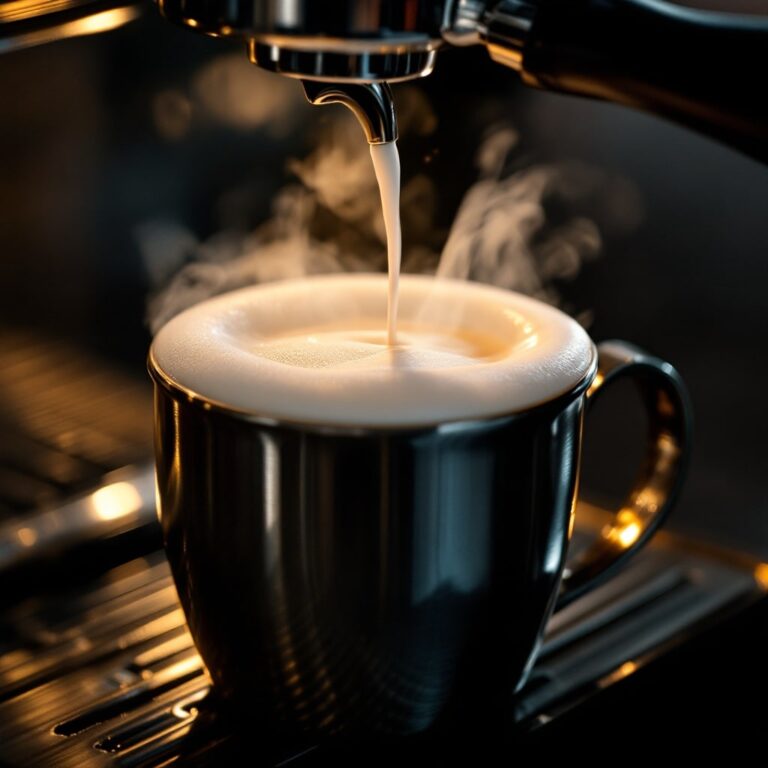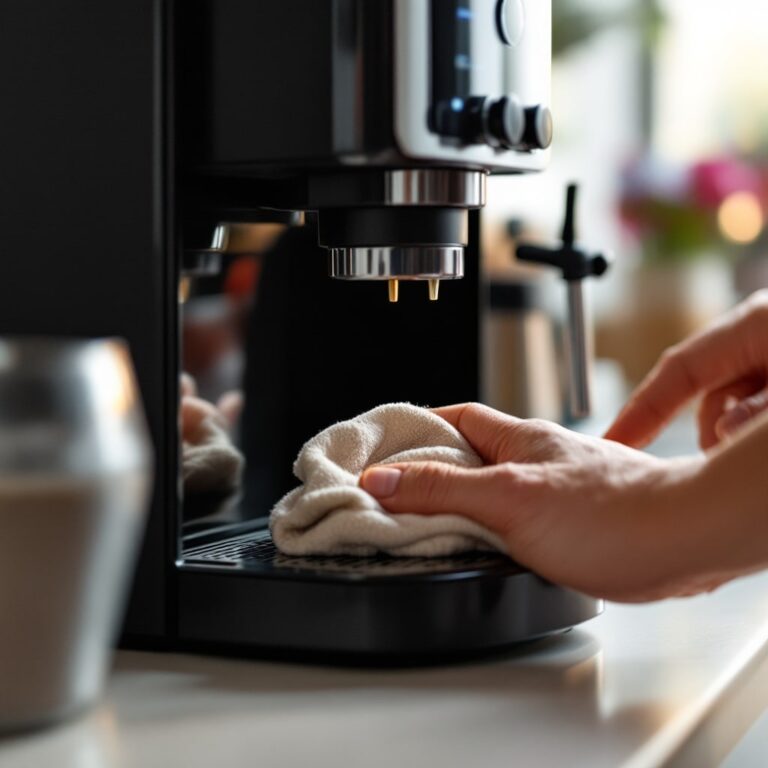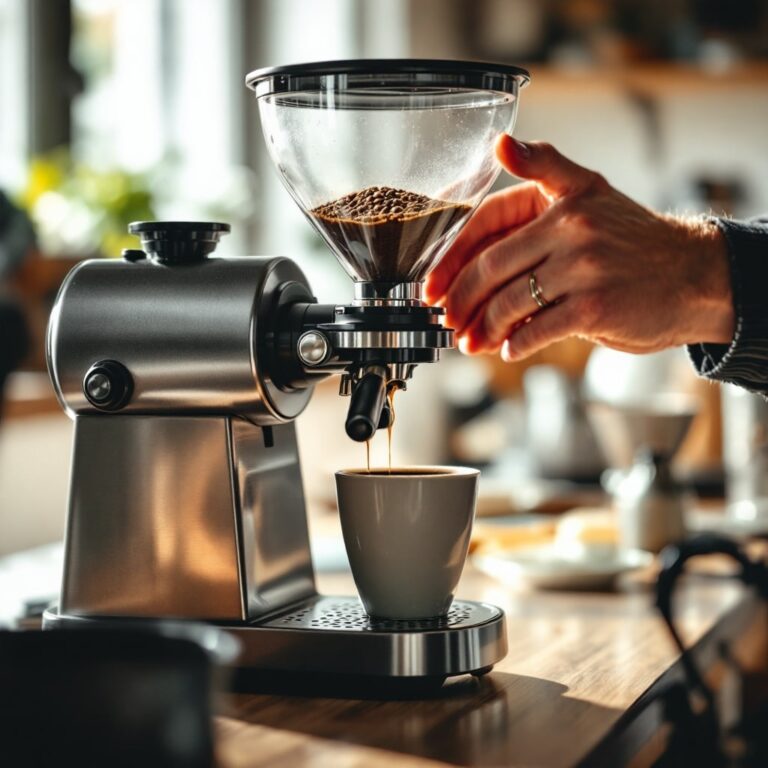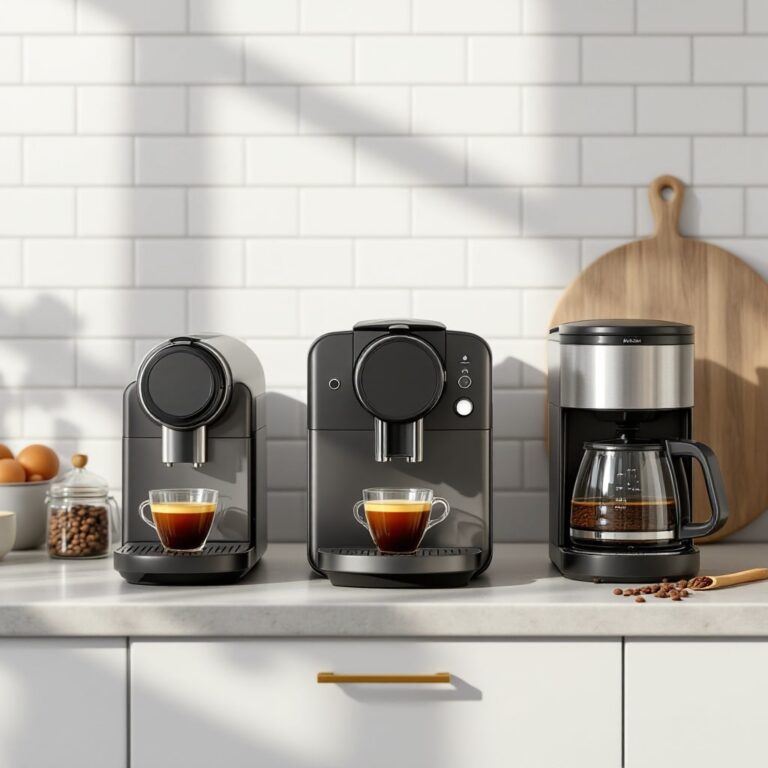
For months I kept seeing quick-hit comparison posts about the De’Longhi Magnifica vs. Philips 3200, and most of them left me rolling my eyes. They all repeat the same brochure points. None of them talk about what actually changes once you’ve used these machines every single day. Bean oils, buildup, the little quirks you only notice after the honeymoon phase. That’s the stuff that matters.
So I decided to live with both machines for six months in my home, rotating them between my kitchen and my small office nook. I make around four drinks a day across the household, so both machines got a fair workout. What follows is the real story: the taste shifts over time, the cleaning chores you can’t escape, and what the true cost looks like when you track every supply and spare part.
Why Another Comparison? Because Specs Don’t Tell the Whole Story
If you’re trying to decide between the De’Longhi Magnifica vs. Philips 3200, you already know they’re two of the most popular choices for anyone wanting an automatic espresso machine under $1,000. But here’s the issue. Specs only tell you about day one. They don’t warn you that the Philips grinder gets louder after the first few months. And they definitely don’t explain that the De’Longhi can drift in taste unless you tweak your grind routinely.
In this full De’Longhi Magnifica vs. Philips 3200 comparison, I’m breaking down the stuff reviews tend to ignore. Wondering which automatic espresso machine is easiest to clean? Or which one stays consistent after 180 days of real living? You’re in the right place.
The Machines Side by Side: Specs That Matter, Not Marketing
Brochures love to list pressure numbers (both hover around 15 bars) and wattage (roughly 1450W each), even though both machines pull nearly identical shots on day one. What actually matters for beginners is this:
What the Magnifica S Gets Right
- A stainless steel conical burr grinder that stays consistent
- Manual steam wand that gives you more control if you like to practice
- Compact shape that fits well on tight counters
- More control over espresso strength
What the Philips 3200 LatteGo Gets Right
- LatteGo milk system that clicks apart in seconds
- Super simple interface, especially for guests or office environments
- Slightly stronger brew temperature
- Larger water tank, so fewer refills
Marketing tends to oversell pressure numbers, but both machines operate within standard espresso ranges. Real differences show up in user experience, reliability, and cleaning.
New to these machines? The Magnifica S vs. Philips 3200 LatteGo differences mainly boil down to milk handling and how automated you want the process to be.
Espresso Quality Showdown: Taste Tests with 5 Beans over 6 Months
I ran both machines through five bean types:
- A medium-roast Colombian
- A darker Italian blend
- A fruity Ethiopian
- A budget supermarket roast
- A low-acid blend for sensitive stomach days
Across six months, here’s what changed and what stayed consistent.
De’Longhi Magnifica Taste Profile
My De’Longhi tends to produce a slightly hotter shot with more bite. I think of it as a more straightforward espresso, closer to what you’d get from a no-fuss Italian café. After month three, the taste held steady as long as I cleaned the brew unit regularly. When I skipped that weekly rinse? I could taste a slight dullness creeping in.
With bright Ethiopian beans, the Magnifica struggled a bit. Acidity came through but not the fruit. Darker roasts tasted great, though. Strong, punchy, no complaints.
Philips 3200 Taste Profile
My Philips 3200 has a smoother flavor that feels more rounded, meaning less sharp acidity and more body, almost like adding a splash of water to a bold wine. Crema is typically thicker and more stable. However, after month four, the grinder got noisier and shots lost a touch of depth unless I adjusted grind settings every couple of weeks. It wasn’t dramatic, but I noticed, especially on lighter-roast beans.
The Philips 3200 vs. De’Longhi Magnifica taste test was closest with medium roasts, where the Philips often edged ahead because of its richer crema.

Winner for Espresso Quality
- Dark roasts: De’Longhi
- Medium roasts: Philips
- Light roasts: Neither shines, but Philips handles them better
- Cheap beans: De’Longhi masks flaws more effectively
These results align with the typical super-automatic espresso machine comparison I see in forums: Philips tends to be smoother, De’Longhi tends to be stronger.
The Milk System Battle: LatteGo vs. Traditional Wand after 180 Days
Milk systems age fast. They get discolored, sticky, and clogged. So this is where six months tells you what really matters.
Philips LatteGo
I’ll admit, this system is the biggest selling point, and it’s as easy as everyone says. Two pieces, no tubing, rinses clean in seconds. As someone who drinks a few cappuccinos a day and also makes milk drinks for guests, this convenience is huge.
But after six months:
- Plastic fogs slightly, but nothing major
- It does require deeper cleaning every few weeks; otherwise, foam quality drops
- Foam consistency stayed impressively stable
De’Longhi Manual Wand
If you love learning latte art, this wand will keep you happy. But if you want convenience? It starts to feel like a chore after the first month.
After six months:
- Wand gasket loosened slightly, nothing dramatic
- Needs daily wiping and weekly soaking
- Foam is richer when you learn the technique
For Magnifica vs. LatteGo milk performance, LatteGo wins for everyday convenience, while De’Longhi wins if you prefer control. In a busy home, though, LatteGo just fits real life better.
The Cleaning Reality Check
Look, every manufacturer tries to make cleaning sound effortless. Daily use exposes the truth.
What Daily Cleaning Actually Looks Like
Philips:
- Rinse LatteGo
- Dump puck drawer
- Rinse internal brew unit (optional but recommended)
De’Longhi:
- Wipe wand
- Dump pucks
- Rinse brew unit
These feel similar day to day, genuinely.
Weekly Cleaning Differences
Here’s where things separate.
Philips 3200:
- Brew unit has more hidden corners
- Grinder produces more static mess
- LatteGo needs a soaking every few weeks
De’Longhi Magnifica:
- Brew unit is simpler to rinse
- Less internal moisture buildup
- Steam wand requires scrubbing if you forget once
Which automatic espresso machine is easiest to clean? Philips wins for milk and De’Longhi wins for internal mechanics. It’s basically a tie, but for different reasons.
True Cost of Ownership: Hidden Expenses to Expect
 Both machines seem affordable at first. Six months shows the longer game.
Philips 3200 Hidden Costs
- LatteGo parts occasionally need replacing
- Filters are more expensive, and Philips recommends using them consistently
- Grinder wear seemed slightly faster
Average monthly cost in my home: around $25-35 including filters, descaler, and occasional replacement parts.
De’Longhi Magnifica Hidden Costs
- Less frequent filter changes
- Wand parts are cheaper if something wears out
- Beans mattered more, so I bought higher-quality beans to optimize flavor
Average monthly cost: roughly $15-22, lower than Philips.
Factor everything in, and the Philips runs more expensive over time, mostly due to filters and LatteGo upkeep.
The Verdict: Which Machine Wins for Your Lifestyle?
If you’re deciding between the De’Longhi Magnifica vs. Philips 3200, which is better really depends on your daily habits. So I put together a simple flowchart based on what I’ve noticed in my own household and from helping readers choose machines.
Quick Flowchart
Start here:
Do you drink milk drinks 60 percent of the time or more?
- Yes: Philips 3200 LatteGo
- No: Keep going
Do you prefer stronger, more classic espresso?
- Yes: De’Longhi Magnifica
- No: Philips
Are you sensitive to cleaning chores?
- Yes: Philips
- No: De’Longhi
Do you want the best automatic espresso machine under $1,000 for long-term durability?
- Yes: De’Longhi
- No: Philips for milk lovers
My Personal Take
I kept the De’Longhi in my kitchen long term because I like bolder espresso and I enjoy having a wand when I want to practice frothing. But the Philips 3200 went to my office nook because nothing beats LatteGo when I’m making quick lattes between emails. Last Tuesday I made six drinks for visiting family in under twenty minutes with the Philips. That convenience is hard to argue with.
Which would I grab if my house was on fire and I could only save one? Probably the De’Longhi. But ask me on a busy Monday morning and the answer might change.
When taste consistency and long-term reliability matter most, the De’Longhi Magnifica is the safer pick. When convenience and milk drinks define your mornings, the Philips 3200 wins instantly. After six months of living with both, I can say the marketing doesn’t tell the full story. Your choice really depends on your routine, your patience for cleaning, and your preference for either punchy espresso or smooth, balanced shots.
And if you want help choosing for your specific space, feel free to ask.