Let me be straight with you: most coffee machine reviews are written by people who’ve never pulled a shot under pressure. I spent three years behind a La Marzocco in a busy Melbourne café, serving 400+ cups daily to customers who actually knew the difference between a good extraction and a bad one. That experience ruined me for mediocre coffee. But it also taught me exactly what separates truly good machines from expensive disappointments.
Here’s what I learned making thousands of espressos. The best coffee machines for home use aren’t necessarily the ones with the fanciest features or the biggest price tags. They’re the ones that consistently control three things: water temperature, extraction pressure, and grind quality.
Everything else? Mostly marketing.
This guide is my attempt to cut through the noise. I’ve tested dozens of home machines since leaving the café world, and I’m going to tell you which ones actually deliver coffee-shop quality, which popular picks are overrated, and how to avoid wasting money on features you’ll never use.
Whether you’re hunting for the best home coffee maker under £200 or ready to invest in a serious setup, I’ll help you make a decision you won’t regret in six months.
The Coffee Machine Lie: Features That Sound Good but Don’t Matter
Before we get into specific recommendations, let’s talk about the features that companies love to highlight but that won’t actually improve your morning cup.
“15-bar pressure” sounds impressive, right? Here’s the thing: you only need about 9 bars for proper espresso extraction. Machines advertising 15 or 19 bars are often compensating for poor pump design. That extra pressure can actually over-extract your coffee, making it bitter.
Built-in milk frothers on budget machines are almost universally terrible. They produce foam that looks like bubble bath rather than the microfoam you get at a good café. Want lattes and cappuccinos? You’re better off with a separate milk frother until you can afford a machine with a proper steam wand.
Touchscreens and apps add £100–200 to the price while contributing nothing to flavour. I’ve never thought, “This espresso would be better if I could adjust it from my phone.” Have you?
What actually matters:
- Consistent water temperature (within 1–2 degrees)
- A quality burr grinder (conical or flat)
- Stable pump pressure during extraction
- Build materials that retain heat properly
These boring specifications are what separate truly good machines from pretty disappointments.
Best Coffee Machines by Category: Honest Recommendations
After testing countless machines and reading through every home coffee machine review I could find, here are my picks across different categories.
Bean-to-Cup Machines: For the “I Want Great Coffee Without Effort” Crowd
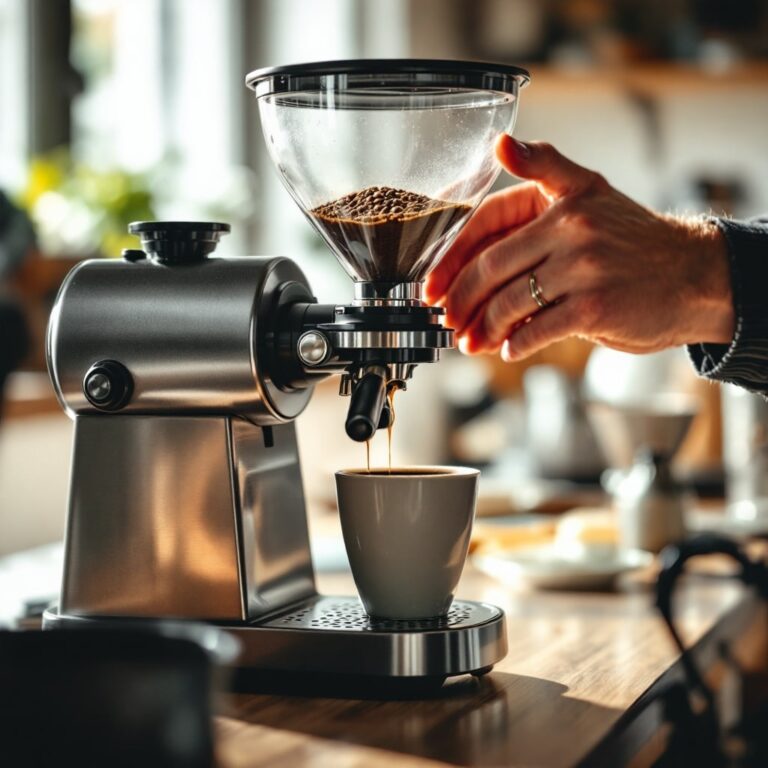
Bean-to-cup machines grind fresh for each drink and handle everything automatically. Great ones produce excellent coffee. Bad ones are £500 grinders attached to mediocre brewers.
Top Pick: Sage Barista Express Impress (£600–700) The Impress version solved my biggest complaint about the original Barista Express. Inconsistent tamping. The assisted tamping system ensures even extraction every time. Temperature stability is solid, and the built-in grinder is actually good quality, not an afterthought.
Budget Champion: De’Longhi Magnifica S (£300–400) This machine won’t win any barista competitions, but it produces surprisingly good espresso for the price. The built-in grinder is adequate, and the machine is remarkably reliable. I know people still using these after seven-plus years.
Worth the Splurge: Jura E8 (£1,200+) When money isn’t a concern and you want excellent automated coffee, the E8 delivers. Commercial-grade grinder, consistent extraction, and proper microfoam for lattes. It’s the best latte and cappuccino machine for home in the automatic category. Hands down.

Espresso Machines: For Those Willing to Learn
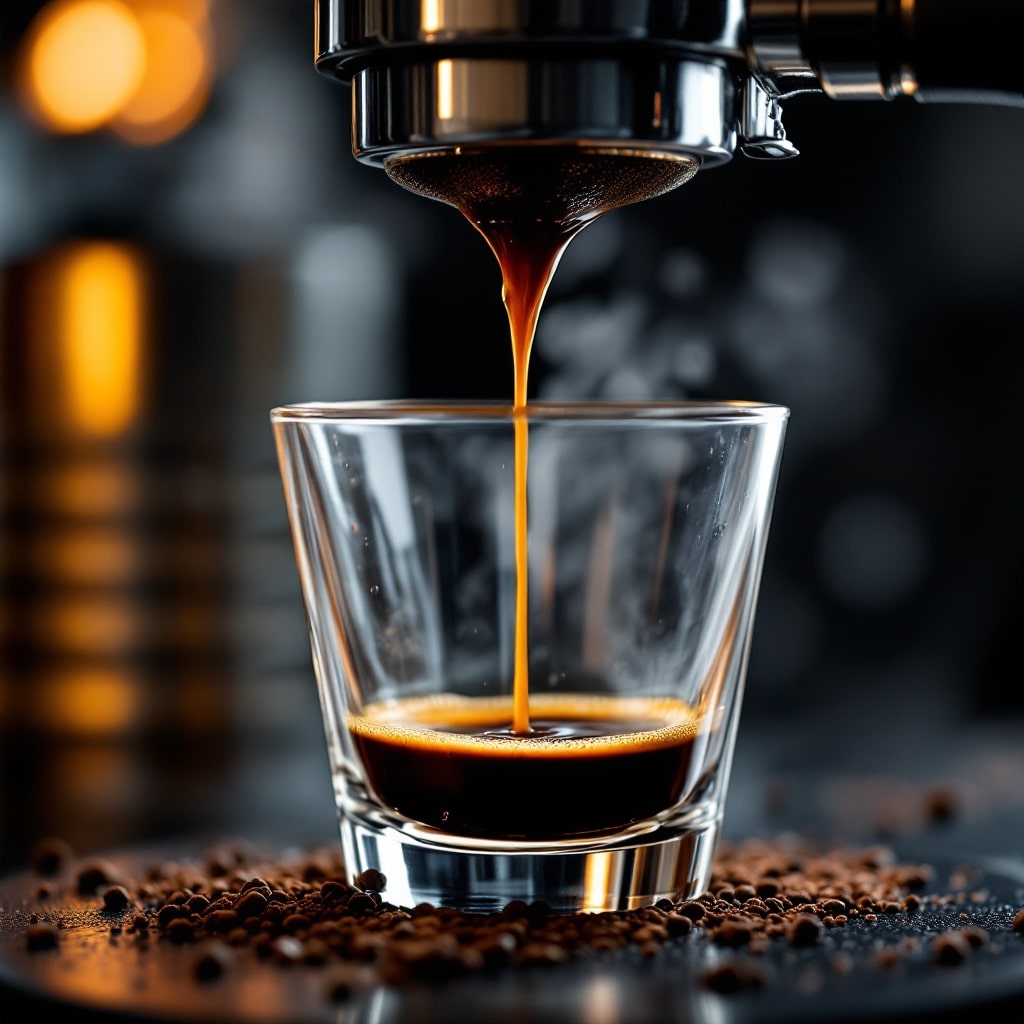
Want to develop actual barista skills? These are the best espresso machines for beginners, options that will teach you the craft without fighting you.
Best Starting Point: Sage Bambino Plus (£350–400) Don’t let the compact size fool you. The Bambino Plus has commercial-style heat-up (three seconds!) and automatic milk texturing that actually works. Temperature control is excellent for this price point.
Step-Up Choice: Rancilio Silvia (£500–600) A classic for good reason. Simple, robust, and teaches you proper technique because it doesn’t hold your hand. Steeper learning curve, yes. But you’ll understand espresso making at a much deeper level.
Drip Coffee Makers: Underrated Excellence
Americans have been drinking drip coffee forever, and for good reason. When done right, it’s clean, sweet, and highlights origin flavours better than espresso.
Top Pick: Moccamaster KBG Select (£200–250) Certified by the Specialty Coffee Association because it actually hits the correct brew temperature consistently. Built in the Netherlands, lasts forever, and makes excellent filter coffee. This is what I use when I want something other than espresso.
Budget Option: Sage Precision Brewer (£200–250) More features than the Moccamaster at a similar price. Bloom function, variable temperature, and multiple brew modes. Less beautiful, more versatile.
Pod Machines: When Convenience Wins
Look, I get it. Sometimes you just want coffee in 30 seconds without thinking. There’s no shame in that.
Least Disappointing: Nespresso Vertuo Plus (£80–150) The Vertuo line produces better crema and fuller flavour than original Nespresso. Still not “real” espresso, but it’s the best pod option I’ve tried. Environmental guilt is a separate conversation.
The Small Kitchen Solution: Quality in Compact Packages
Living in a flat with approximately 30 cm of counter space taught me that the best coffee machine for a small kitchen isn’t about compromise. Some compact machines actually outperform their larger siblings.
Absolute Winner: Sage Bambino (non-Plus version, £300–350) Only 20 cm wide but produces proper espresso. You’ll need a separate grinder, but the footprint is tiny for what you get.
For Filter Lovers: Hario V60 Dripper with Electric Kettle (£80–100) Takes up almost no space and makes spectacular pour-over coffee. Results are better than most drip machines costing three times as much.
AeroPress with Fellow Prismo (£60 total) Technically not a machine, but this combo takes up zero counter space and produces something close to espresso. Travel-friendly too. I keep one at the office.
Budget Reality Check: Under £200 and True Ownership Costs
Let’s be honest about money. The best budget coffee machine under £200 exists, but you need realistic expectations about what you’re getting.
Under £200 Recommendations:
- De’Longhi Dedica Style (£150–180): Compact, makes decent espresso, and has a proper steam wand. The pressurised portafilter limits your ceiling, but you can upgrade that later.
- Moccamaster Cup-One (£130–150): Single-cup drip brewer that maintains temperature perfectly. Makes one excellent cup at a time.
- AeroPress + hand grinder combo (£100–150): Produces legitimately good coffee once you learn the technique. Highest quality per pound spent.
The Hidden Costs Nobody Mentions:
That £500 machine isn’t actually £500. Factor in:
- Quality grinder (if not built-in): £100–400
- Fresh beans monthly: £15–30
- Descaling solution: £20–40 yearly
- Replacement portafilter baskets and shower screens: £50–100 over ownership
- Water filtration (if you have hard water): £30–50 yearly
A £500 machine becomes £800–1,000 in the first year. Plan accordingly.
Easy Maintenance Winners: Machines That Won’t Become Furniture
Here’s a coffee maker comparison fact most reviews ignore. The number one reason people stop using their home espresso machines is cleaning hassle. That beautiful prosumer setup becomes an expensive bread box once descaling feels like a chore.
Easiest to Live With:
De’Longhi Magnifica range has automatic cleaning cycles that actually work. You rinse the brew group weekly under the tap. Done.
Sage machines with the “Auto Purge” feature are also excellent. They flush the system after steaming, preventing milk build-up in the wand.
Hardest to Maintain:
E61 group head machines (Rocket, ECM, Profitec) require proper maintenance: backflushing, group cleaning, and regular descaling. They make fantastic coffee, but be honest about whether you’ll actually do the work.
My Easy-to-Clean Coffee Machine Picks:
- De’Longhi Magnifica S (automatic cleaning, removable brew group)
- Sage Bambino Plus (auto milk purge, simple weekly clean)
- Moccamaster (literally just rinse the carafe and basket)
My Final Verdict: Just Tell Me What to Buy
Don’t overthink this. Here’s exactly how to choose your machine:
Step 1: Be honest about how much work you want to do. Want involvement and skill development? Go semi-automatic espresso. Want great coffee with minimal effort? Bean-to-cup or quality drip.
Step 2: Measure your counter space. Seriously. That gorgeous dual-boiler won’t bring you joy if you have to move it every time you use the toaster.
Step 3: Set a realistic budget including accessories. Machine cost plus grinder plus first month of beans. Add a 30% buffer for things you didn’t expect.
Step 4: Decide what drinks matter most. Espresso purist? Budget towards the best machine and grinder. Latte lover? Prioritise steam wand quality. Filter enthusiast? A Moccamaster beats most espresso machines for what you actually drink.
Step 5: Buy from somewhere with good returns. Your coffee machine buying guide research can only go so far. Taste is personal, and what works for me might not suit you. Make sure you can return it if the relationship doesn’t work out.
The best coffee machines for home use are the ones you’ll actually use. Three years behind a commercial machine taught me that expensive equipment matters less than consistent technique and fresh beans. Start with what fits your life, learn to use it properly, and upgrade only when you’ve truly outgrown what you have.
Now go make better coffee. Your kitchen deserves it.