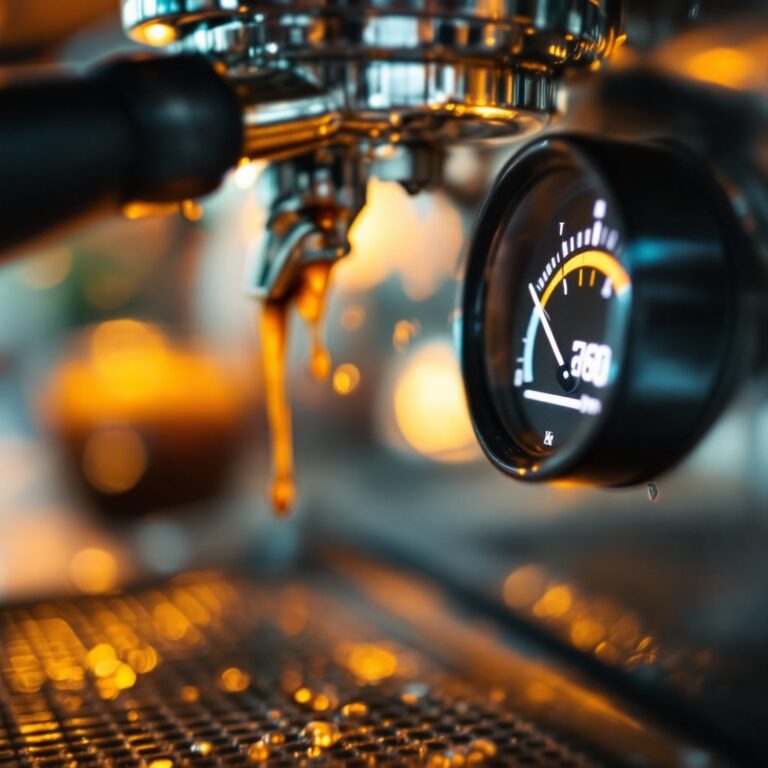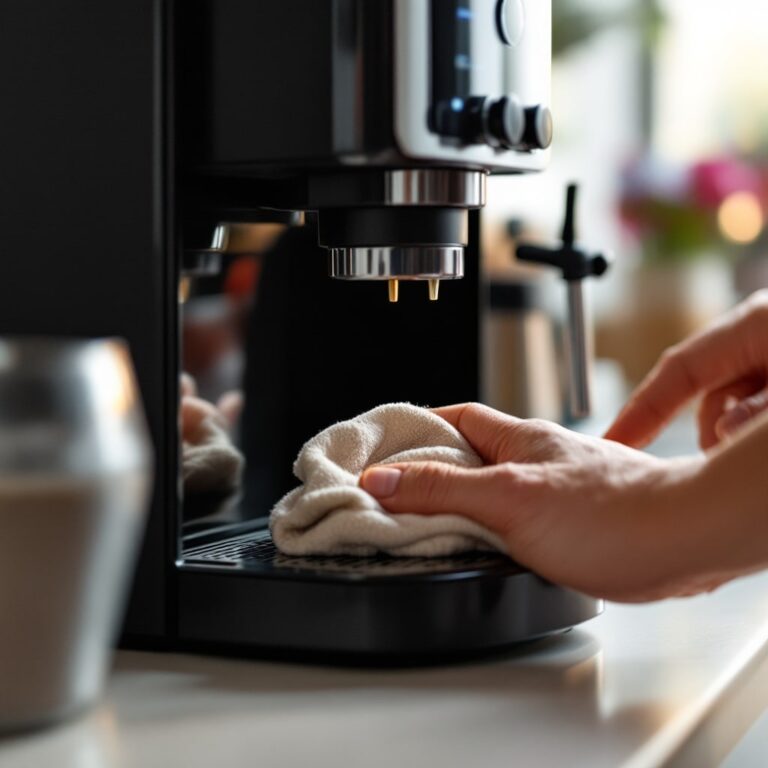
Honestly? Someone should’ve forced me to ask a simple question before dropping several hundred dollars on the wrong machine for my daily routine. If you’ve ever wondered how the drip coffee maker vs. espresso machine debate plays out in real life, not just in spec sheets, you’re exactly who I wrote this for. Over 30 days of testing both machines side by side, I tracked taste, cleaning time, cost, frustration levels, and how often each one actually got used.
The numbers surprised me. A lot. Long-term performance and maintenance get most of my attention because that’s where most machines either shine or completely fall apart. Specs look great in online listings, but the truth? It only shows up after a few weeks of real use. That’s why I put together this full 30-day comparison of a mid-range drip brewer and a compact entry-level espresso machine. The goal was simple: finding out which one actually fits real life, not the idealized version of mornings that ads try to sell us. By the end of this article, you’ll know:
- How each machine performed day after day
- What the flavor differences looked like in actual usage
- Which machine costs more across a full month
- Whether espresso or drip fits your lifestyle
- The real espresso vs. drip caffeine content numbers
A simple three-question method to choose your winner
The 30-Day Experiment:
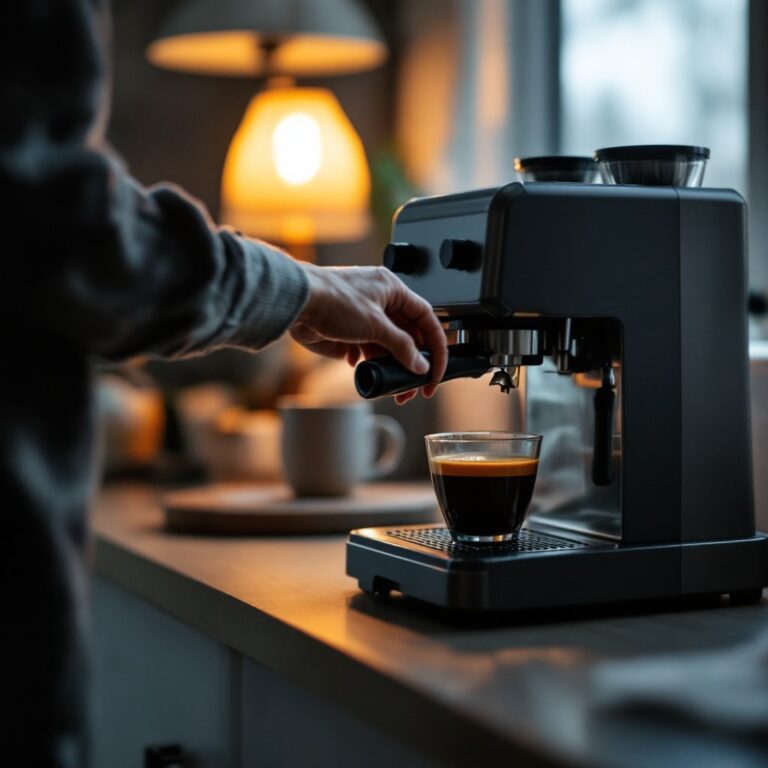
Our Methodology and What We Tracked Daily Both machines sat on my counter for a full month, and every coffee moment meant picking one. No set schedule. No forced tasting events. Just real daily use, the kind where you’re half-asleep and reaching for whatever feels right. Every day, I tracked:
- Brew time or shot-pulling time
- Cleanup time
- Taste notes
- How often each machine got reached for without thinking
- Bean consumption
- Water use
- Annoyances like clogging, messy pucks, or filter overflow
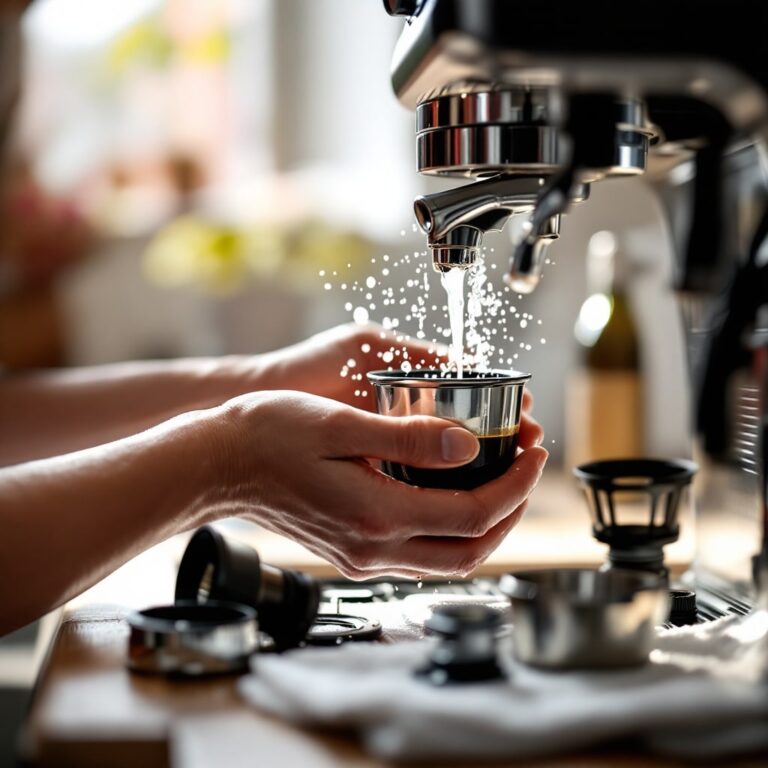
Both machines were cleaned according to manufacturer guidelines. This matters because long-term maintenance is usually where people start regretting a purchase. (Trust me, I’ve been there.) Halfway through the month, the data collection exceeded my expectations. Here’s one example: I started noting how often coffee got postponed because dealing with the espresso machine while tired felt like too much work. These small behavior patterns ended up being more revealing than anything else.
Taste Test Results: Drip Coffee vs. Espresso Flavor Profiles I know
I know, you want to skip straight to taste. Makes sense. Taste is the fun part. But here’s the thing: it’s also where people assume the difference between drip coffee and espresso is bigger than it really is. What the 30-day tasting showed me:
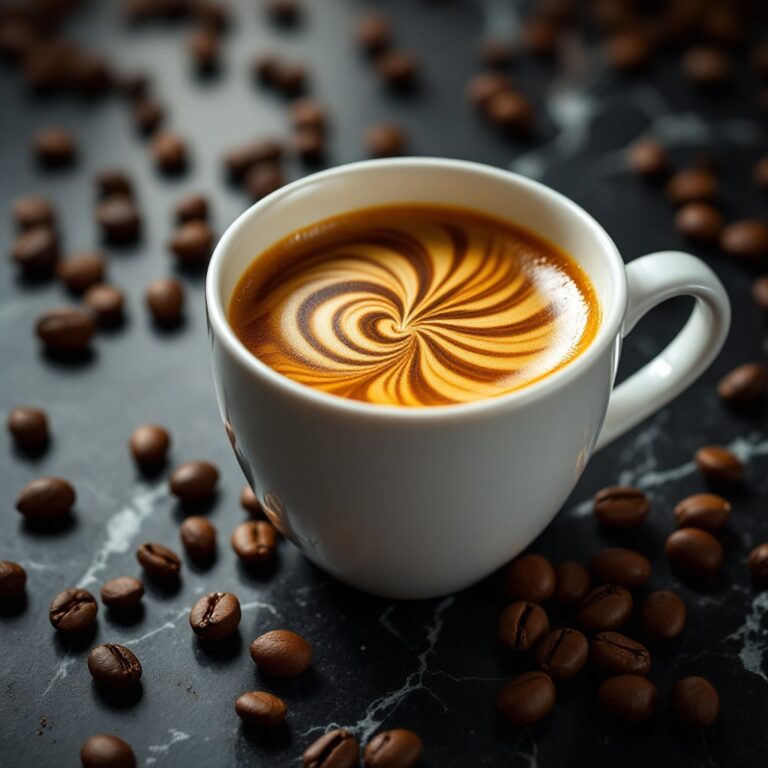
- Espresso was richer and more concentrated, but only when the grind and dose were spot on
- Drip coffee was far more consistent day to day
- Rushing the espresso workflow tanked quality fast
- Rushing drip?
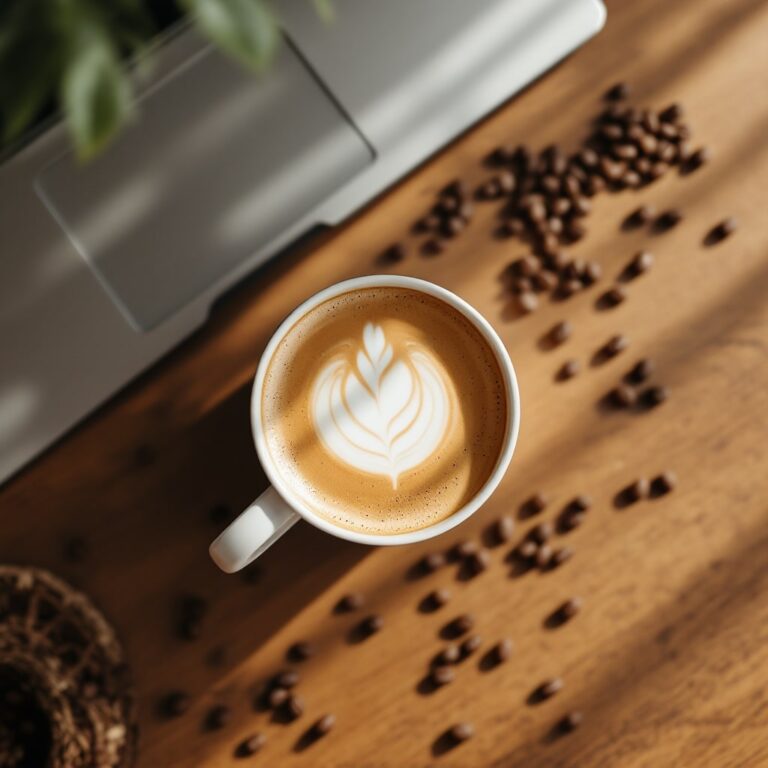
It basically tasted the same as when done carefully And then came the twist. On groggy mornings, my hand accidentally reached for the drip brewer even though the espresso tasted better when done right. Sound familiar? Convenience influences taste more than most of us want to admit. When the machine is annoying or time-consuming, your coffee experience suffers even when the flavor doesn’t. Want bold, syrupy cups? Espresso still wins. But for a set-and-forget routine, drip has the edge in the drip coffee vs. espresso taste comparison.
The Real Cost Breakdown: Purchase Price, Beans, Maintenance, and the Expense Nobody Mentions
People often compare the purchase price of an espresso machine vs. drip coffee maker, but honestly? That’s the least interesting part of the real cost. Let me break down what I actually found during the 30-day test:
Initial Purchase
- Drip brewer: low to moderate cost
- Espresso machine: moderate to high cost
Beans
On a per-serving basis, espresso actually uses fewer beans than drip coffee. A standard espresso shot requires about 7–9 grams of coffee, while a typical cup of drip coffee uses about 10–15 grams. However, and this is important, if you’re pulling multiple shots per day or making milk-based drinks, the bean usage can add up quickly.
Maintenance
Espresso machines demand:
- Regular backflushing
- Frequent wiping and flushing
- More descaling
- More parts that can clog or leak Drip brewers mostly need:
- Filter changes
- Basic descaling
- A quick rinse of the pot or thermal carafe
Now for the hidden expense almost nobody talks about: the grinder. Real espresso requires a proper espresso-capable grinder. Drip coffee? A simpler and cheaper one works fine. When you add everything up, the ongoing cost difference becomes clearer. Espresso isn’t a one-time investment. It’s a hobby. Drip? It’s a tool. ## Lifestyle Compatibility: Morning Rush vs. Weekend Ritual Look, machines aren’t just machines. They fit your life or they fight it. The 30-day usage pattern revealed some pretty clear trends.
Drip worked better when:
- Early meetings were on the calendar
- Multiple people needed coffee
- Something predictable with zero fuss sounded right
- Half-awake mornings made dialing anything in feel impossible My espresso machine sat untouched for three consecutive workdays during a particularly hectic week. That silence? It said everything.
Espresso worked better when:
There was time to enjoy the ritual. A strong drink or milk drink sounded appealing. The craft of pulling a good shot felt exciting. Patience for cleanup actually existed. Choosing between the two is less about which is “better” and more about which fits the way you actually live. When someone asks me whether drip coffee is better than espresso for daily use, the answer depends on their mornings, not their palate.
Espresso vs. Drip Caffeine Content
What Our Measurements Showed There’s a lot of confusion surrounding espresso vs. drip caffeine content. Some people think espresso will wire them for six hours. Others think drip has more because the cup is larger. So which is it? Here’s what the measurements revealed:
- One espresso shot had less total caffeine than a full mug of drip
- Espresso had more caffeine per ounce, but nobody drinks espresso in large volumes
- Drip mornings meant feeling more evenly caffeinated
Espresso mornings sometimes led to reaching for a second shot, which spiked the total caffeine intake Want steady caffeine for workdays? Drip might fit better. Want a quick jolt? Espresso wins.
The 3-Question Decision Framework:
Find Your Answer in 2 Minutes People ask me all the time how to choose between a drip brewer and an espresso machine. After this test, I realized the decision boils down to three questions.
1. Do you enjoy the process, or do you just want coffee? Craft lovers should lean espresso. Autopilot seekers? Choose drip.
2. How rushed are your mornings? Chaotic mornings mean drip wins. Calm mornings? Espresso can be a genuine joy.
3. Are you okay spending more on beans, maintenance, and a grinder?
Yes? Espresso makes sense. No? Drip brewers give you great value. This simple framework works better than comparing specs or reading long lists of drip coffee maker vs. espresso machine pros and cons. It focuses on real life, which is what actually matters. After a full month of tracking, tasting, cleaning, and paying attention to my own habits, the drip brewer kept its spot on the counter. This genuinely surprised me because espresso is enjoyable. But drip gets reached for more often, and consistency plus low maintenance won out.
The espresso machine? It’s still here. It just lives on a side table now and gets used on weekends or when putting in the effort actually sounds appealing. So which is better, drip or espresso? The truth is, the answer depends on your life, not mine. If you want a machine that handles daily routines with the least hassle, drip is hard to beat. If you enjoy a hobby and don’t mind extra cleanup, espresso can be incredibly rewarding.