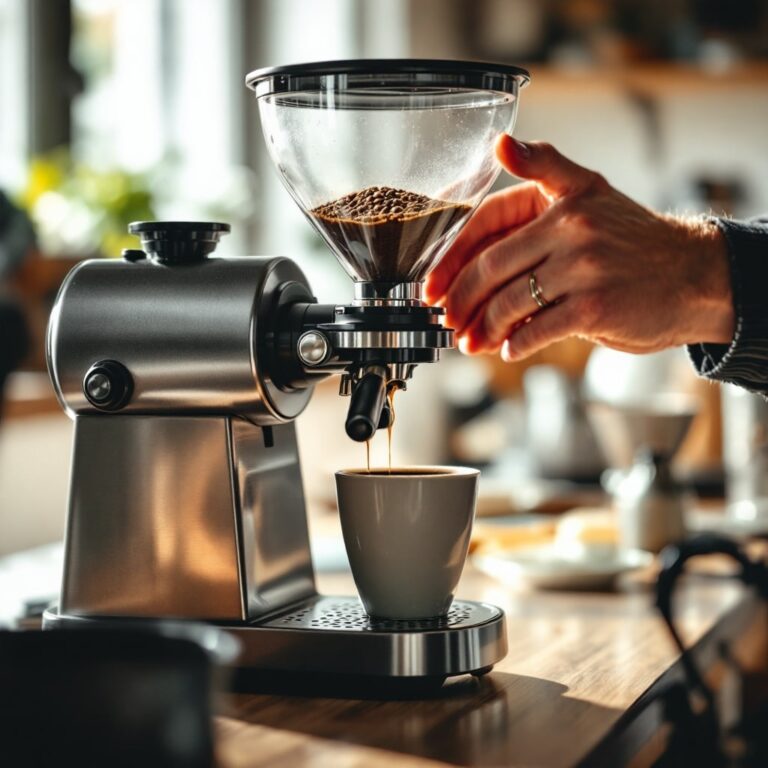
I keep a small notebook next to my espresso setup. Call it obsessive, but after pulling over 2,000 shots on my Breville Barista Express BES870XL, I’ve got data that most reviewers simply can’t offer. Three years of morning routines, weekend experiments, one major repair, countless grind adjustments, and yes, some truly terrible espresso along the way.
Most Breville Barista Express reviews hit the internet within two weeks of unboxing. Everything’s shiny, everything works, and the reviewer’s still riding that new-appliance high. I get it. My own journal was full of glowing notes during those first weeks.
But here’s the thing: espresso machines reveal their true character over time. Grinder burrs wear. Seals degrade. You discover which features actually matter at 6:30 AM when you’re half-awake and just need caffeine. What follows covers what happens after the honeymoon period ends.
If you’re wondering whether the Breville Barista Express is worth it for your daily routine, not just for impressing weekend guests, stick around. I’m sharing the Breville Barista Express pros and cons that only emerge after years of ownership.
Months 1–3: The Learning Curve Reality (Dialing In Without Losing Your Mind)
Let’s be honest about something most reviews gloss over: your first month with this machine will include some bad espresso. Sour, bitter, watery, and occasionally all three somehow. That’s normal.
For beginners, the Breville Barista Express presents an interesting challenge. It gives you enough control to make excellent espresso, which also means enough rope to hang yourself with. Grind size, dose, tamp pressure, shot time: all of these variables interact in ways that aren’t immediately obvious.
Here’s how to dial in the Breville Barista Express without losing your mind:
- Start with the factory-recommended settings (grind size 5, middle dose position)
- Change only ONE variable at a time
- Give yourself three days on each setting before adjusting
- Accept that your first 50 shots are tuition, not production
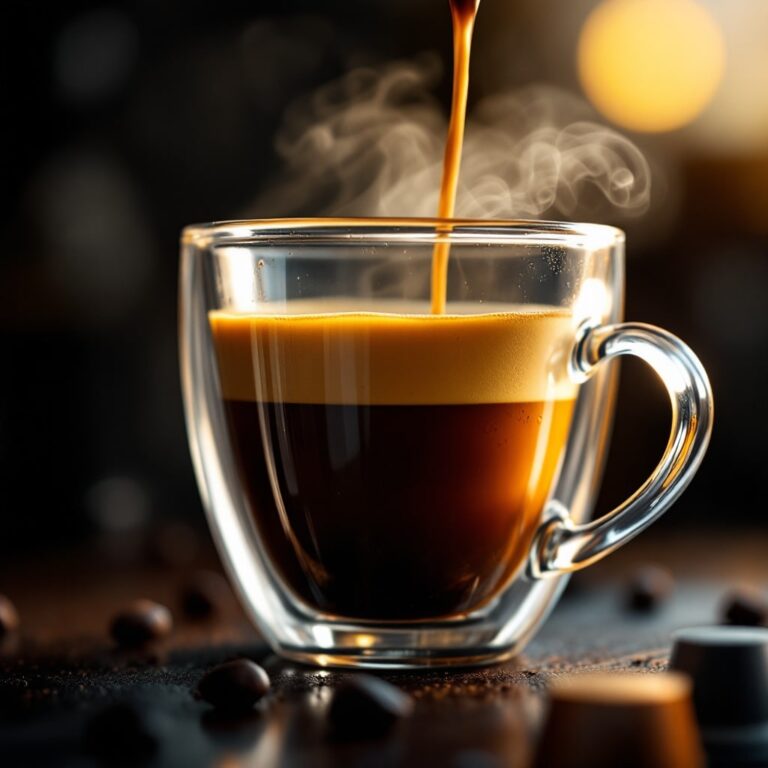
By week six, I was pulling consistently good shots. Not competition-worthy, but actually enjoyable. That pressure gauge helped enormously here. Once you understand that needle position correlates with extraction quality, the feedback loop makes sense.
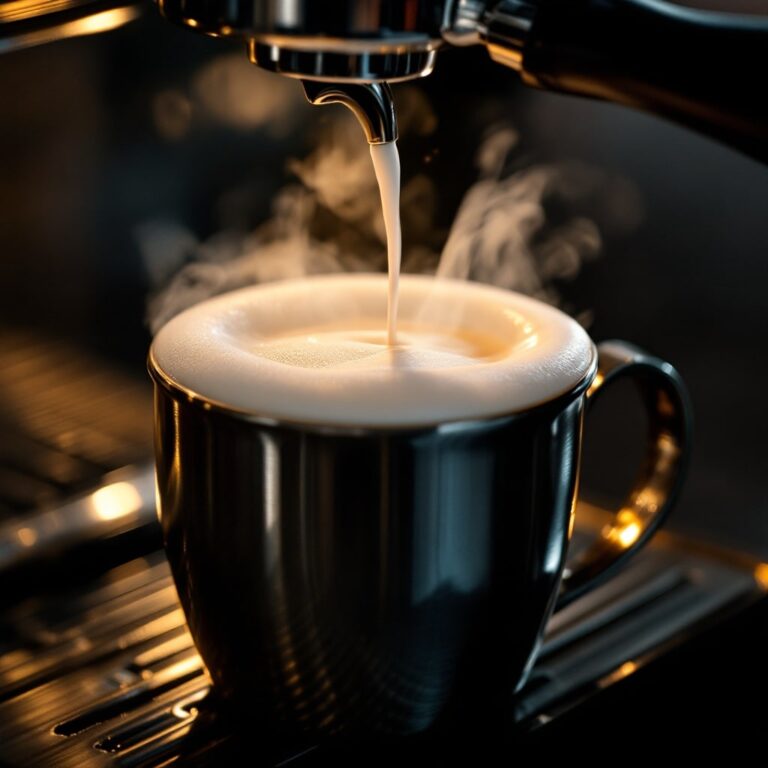
My first milk-steaming attempts? They produced foam you could insulate a house with. The built-in steam wand intimidated me initially. But the learning curve was manageable, and by month three, I was making lattes that rivaled my local café. Well, my local mediocre café anyway.
Months 4–12: The Grinder Truth
Here’s where my Breville Barista Express grinder review gets complicated, because the grinder is simultaneously this machine’s biggest strength and its most frustrating limitation.
Convenience is real. Having an integrated grinder eliminates counter clutter, speeds up your workflow, and means one less device to clean and maintain. For someone transitioning from a Keurig or drip coffee maker, this integration is life-changing.
But espresso enthusiasts will eventually hit the ceiling.
Those conical burrs produce decent particle consistency, but not exceptional. Around month eight, I started noticing that certain single-origin beans, especially lighter roasts, never quite tasted right. Going finer choked the machine, yet backing off produced sour, underextracted shots.
While the stepless adjustment system offers more flexibility than stepped grinders, and the inner burr can be adjusted for fine-tuning, making micro-adjustments still requires patience in practice. Sometimes the perfect setting remains elusive. I learned to compensate with dose adjustments, but it felt like a workaround rather than a solution.
Here’s what I wish someone had told me: Breville Barista Express espresso quality with medium and medium-dark roasts is excellent. Stick to traditional espresso blends during your first year, and you’ll be happy. Start chasing fruity Ethiopian naturals, and frustration awaits.
Year 2: Maintenance Surprises, Part Replacements, and Hidden Costs
Nothing prepares you for that first descale error message appearing mid-shot. It happened to me on a Monday morning at 6:47 AM. Not ideal.
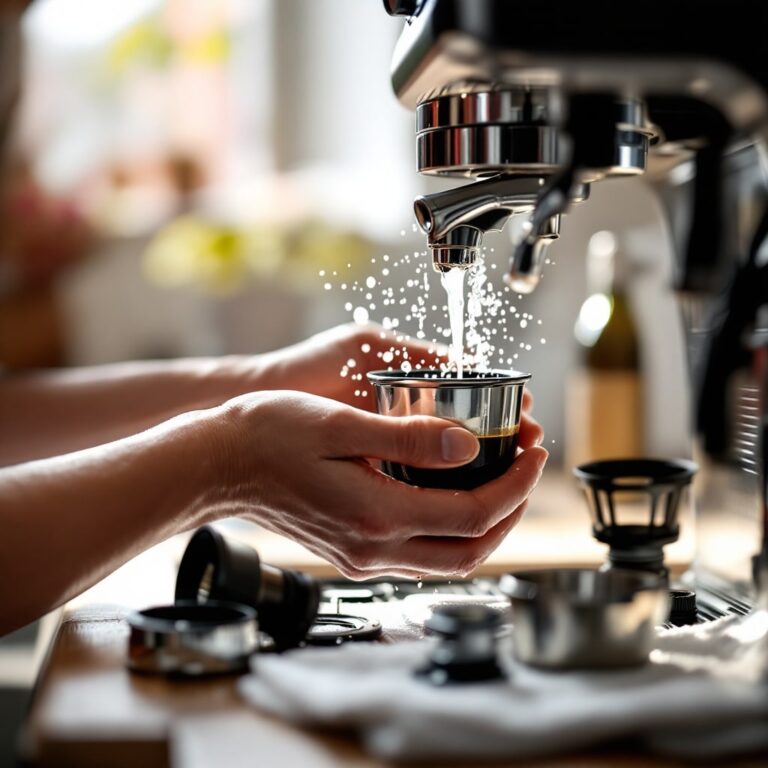
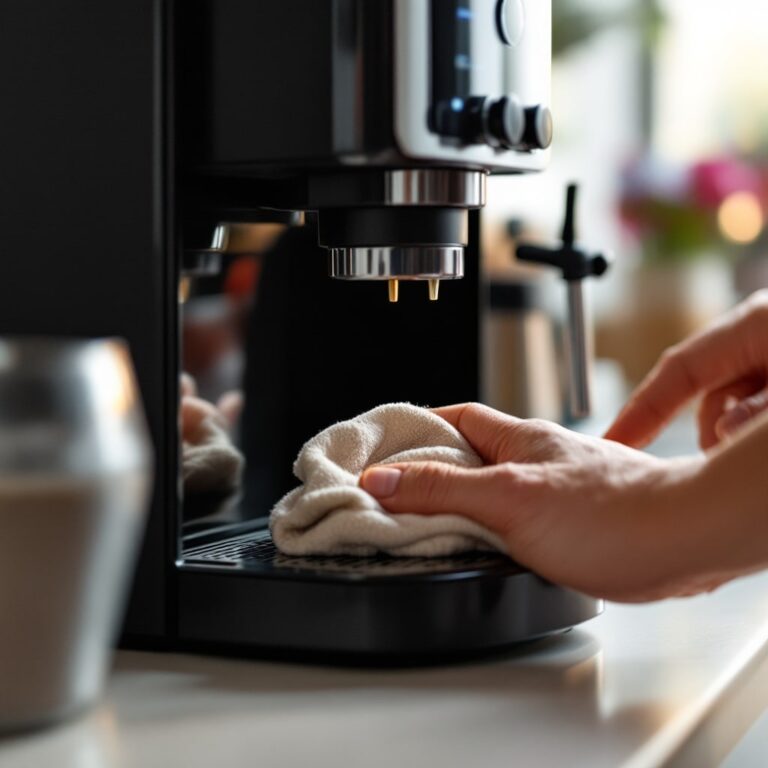
What the manual suggests for maintenance is reasonable: backflush weekly, descale every few months depending on water hardness. I use filtered water from a Brita pitcher, which extended my descale intervals to roughly quarterly.
Hidden costs nobody mentions:
- Replacement water filters: approximately $20 every two months for heavy users
- New portafilter gasket at 18 months: $15 plus the annoyance of finding the right size
- Backflush tablets: roughly $15 annually
- Descaling solution: $12–20 per year
Total annual maintenance cost for me: around $100–120. Not bank-breaking, but worth factoring into your budget.
At the 22-month mark, my steam wand started leaking slightly. A new O-ring fixed it, which I sourced from a third-party supplier for $3. The repair took 20 minutes and several YouTube tutorials. When I contacted Breville’s customer service, their quoted repair cost felt excessive for what amounted to a simple gasket replacement.
Here’s the thing about repairs: the Breville Barista Express BES870XL review ecosystem includes a robust DIY repair community. If you’re handy with basic tools, most common issues are fixable at home. If you’re not, budget for occasional professional service.
The Beginner Paradox: Features That Help vs. Habits That Hurt Your Progression
A Breville Barista Express beginner’s home barista guide I wish I’d read would have included this warning: some “helpful” features can actually stunt your growth.
Features that help:
- Pressure gauge provides real-time extraction feedback
- Hot water dispenser is perfect for warming cups and making Americanos
- Programmable shot volumes reduce morning decision fatigue
- Included accessories (tamper, razor tool, cleaning kit) mean you can start immediately
Habits the machine encourages that hurt progression:
- That razor dosing tool teaches you to dose by volume, not weight. Buy a scale immediately. Seriously. A $20 coffee scale will improve your espresso more than any other purchase.
- An integrated grinder makes single-dosing difficult, encouraging hopper storage that degrades bean freshness.
- The pressurized filter basket (included as default) masks extraction problems and delays learning proper technique.
I used the pressurized basket for my first two months. When I switched to the non-pressurized basket, my espresso got worse before it got dramatically better. That transition taught me more about extraction than anything else.
Espresso Quality Ceiling: When (and Whether) You’ll Outgrow the Barista Express
Around the 2.5-year mark, I started wondering if I’d outgrown this machine. Instagram and YouTube algorithms kept showing me lever machines, rotary pumps, and PID temperature controllers. The grass looked greener.
So I borrowed a friend’s Profitec Pro 500 for a weekend. Here’s my honest assessment: yes, the $2,000+ machine produced noticeably better espresso. Temperature stability, pre-infusion capabilities, grinder performance with a separate Eureka, all of it added up to a meaningfully superior cup.
But the improvement was maybe 15–20%. Not double. Not transformative. Just incrementally better.
For context: my Breville produces shots I actually enjoy drinking. They compare favorably to most local coffee shops. My wife, who has perfectly functional taste buds, can’t distinguish my home espresso from café espresso in blind tests. Whether it’s worth it comes down to what you expect and what you’ll spend.
If you’re chasing competition-level espresso, this machine will eventually feel limiting. If you want excellent daily espresso without a second mortgage, the ceiling’s high enough for most people.
After three years, 2,000+ shots, one repair, and countless mornings made better by good espresso, here’s my straightforward recommendation:
Buy the Breville Barista Express if you:
- Want an all-in-one solution that produces really good espresso
- Primarily drink milk-based drinks (lattes, cappuccinos, flat whites)
- Prefer medium to dark roast beans
- Value counter space and simplified workflow
- Have realistic expectations about learning curves
Skip it if you:
- Obsess over single-origin light roasts
- Already own a quality grinder you love
- Want to upgrade incrementally rather than all at once
- Can’t tolerate a 2–3 month learning period of mediocre shots
What I’ve laid out above reflects actual long-term ownership, not unboxing enthusiasm. My Breville earned its permanent spot on my counter through daily performance, not first impressions.
Is it perfect? No. Will you outgrow it someday? Possibly. But for the vast majority of home baristas, the Breville Barista Express delivers exactly what it promises: café-quality espresso at home, every single morning, year after year.
That’s worth something. In my case, it was worth 2,000+ shots and counting.