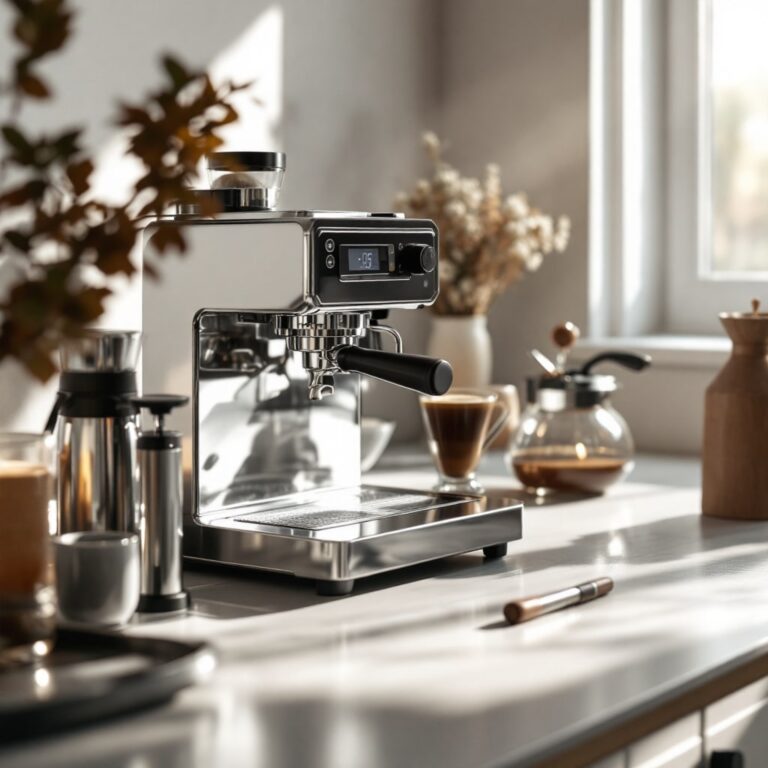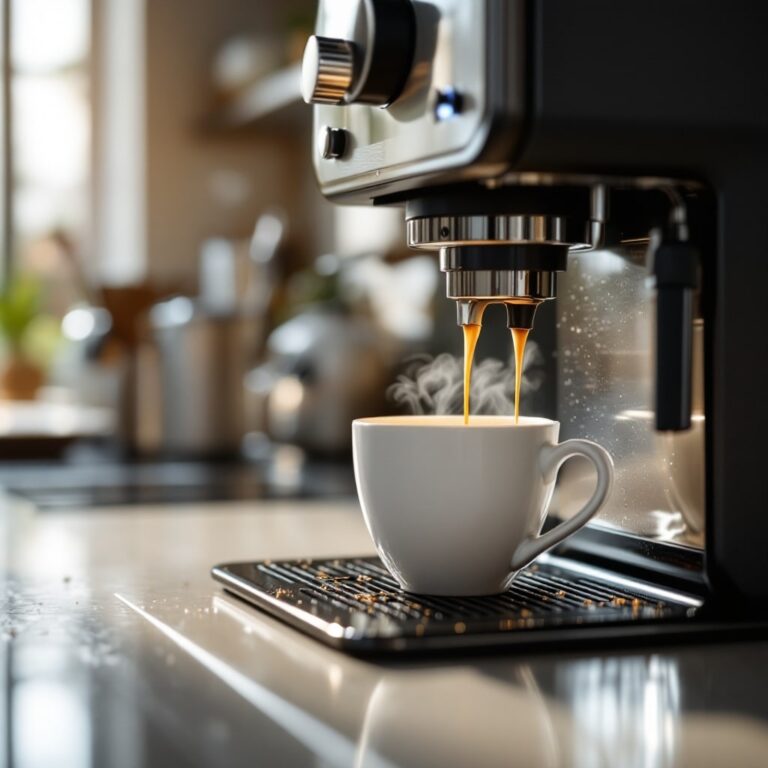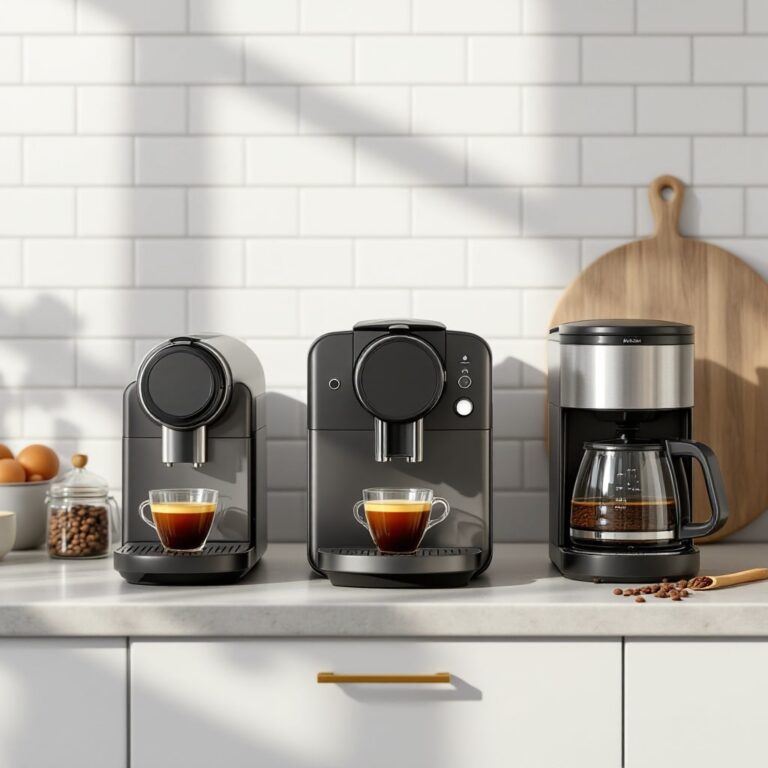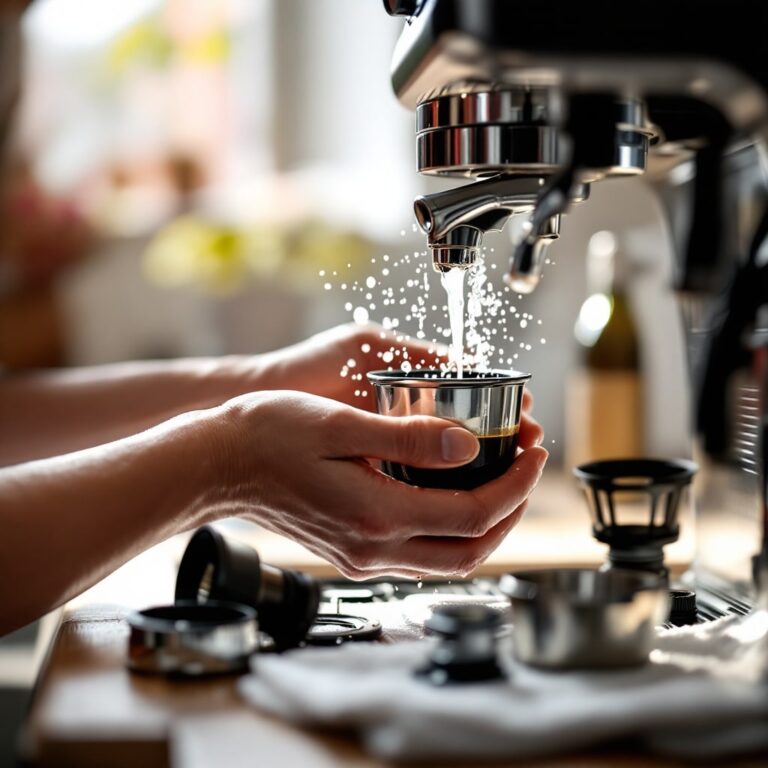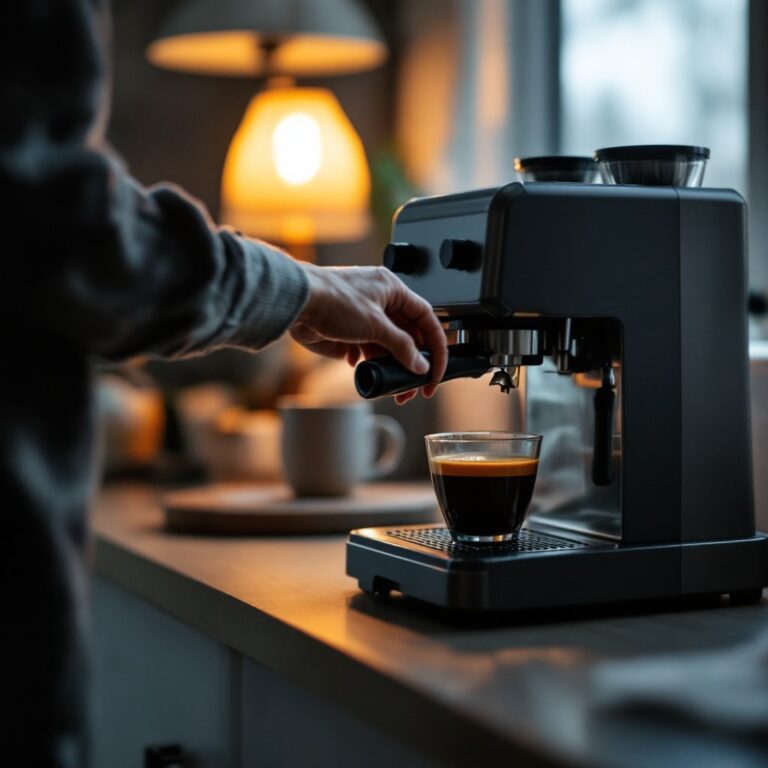
I spent several months tearing apart budget espresso machines to answer one question people keep asking me: which ones actually pull café-quality shots for less than 500 bucks? If you’ve been frustrated by weak crema, bitter shots, noisy pumps, or confusing marketing claims? Yeah, I get it. That’s exactly why I tested dozens of machines in a controlled setup. Only a handful survived. These are the real best espresso machines under $500.
Budget espresso looks tempting, but most machines cut corners in pressure consistency, temperature control, and steam power. Those flaws show up in the cup every single time. Instead of doing another generic top-ten list, I structured the process like a tournament. Every machine had to pass technical benchmarks, then a blind taste test. Failure meant the reject pile. No mercy.
What I discovered honestly surprised me. A few machines punched far above their price. Others, including some popular models you’ve probably seen everywhere, struggled to deliver repeatable extractions. If you want an honest, data-driven espresso machine buying guide, you’re in the right place.
Our Testing Methodology
I focus on pressure, grind uniformity, and temperature stability in all my reviews. These three factors decide whether a machine produces the sweetness and balance you’d expect from real espresso.
My testing process looked like this:
- Pressure profiling: Measured pump ramp-up, peak pressure, and sustained pressure at the puck.
- Temperature stability: Logged brew temperature throughout the extraction with thermocouples.
- Steam performance: Timed milk texturing to see which machines could create real microfoam.
- Workflow evaluation: Looked at heat-up time, shot consistency, and overall ergonomics.
- Blind taste test: A panel of calibrated tasters used the same beans and the same grinder. Some machines shocked us with unexpectedly clean, chocolatey shots. A few tasted hollow no matter what we tried. And believe me, we tried.
That’s why I trust the final list. Poor performers had nowhere to hide.
The 7 Winners
After eliminating most machines, these seven earned a spot. They deliver the best combination of build quality, consistency, and flavor for the price. Shopping for a great home espresso machine under $500? These are the ones actually worth your money.
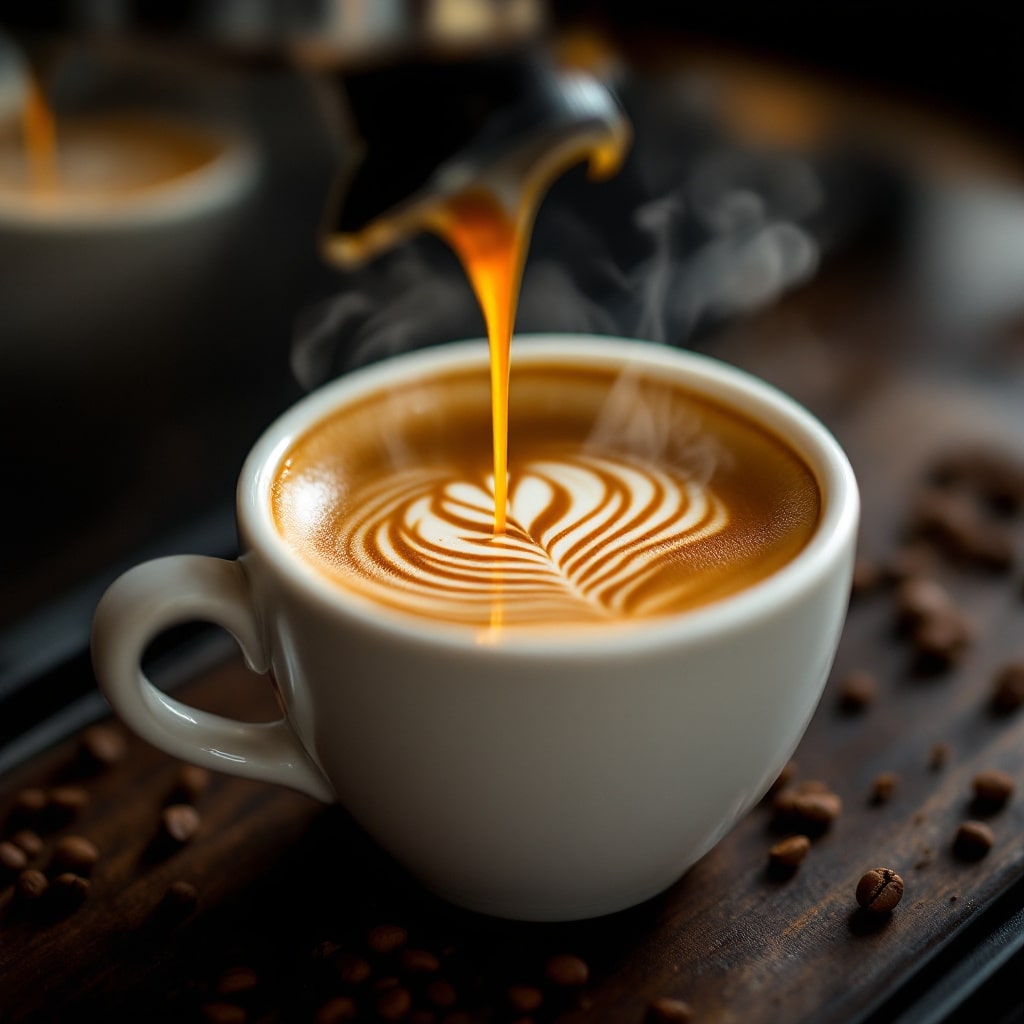
Best Overall: Breville Bambino Plus
Out of everything under $500, the Bambino Plus gave the most consistent temperature results. Preinfusion is gentle, pressure stays stable, and shots taste balanced even with medium roasts. I also love how forgiving it is for beginners. You don’t need to be a barista to pull a great shot.
Highlights:
- Fast heat-up under 3 seconds (seriously, it’s wild)
- Surprisingly strong steaming for the price
- Very easy workflow
Best for Beginners: Breville Bambino (Standard)
Costing less than the Plus version, the standard Bambino still delivers excellent shots. It lacks automatic milk texturing, but there’s an upside: beginners will learn faster because the machine gives predictable feedback. You’ll actually understand what you’re doing.
Perfect for anyone searching for a beginner-friendly machine in this price range.
Best with Grinder: Breville Barista Express (When Discounted Under $500)
 I only included this model after confirming its sale price stays under $500 in most regions. For an all-in-one setup, it’s tough to beat. The built-in grinder isn’t perfect, but it works well with medium and medium-dark roasts. Workflow is simple: grind, tamp, pull. Done.
A great first machine if you don’t want to hunt for a separate grinder.
Best Espresso Quality: Gaggia Classic Pro
Want café-level control? Go with this one. For people who actually enjoy dialing in shots, the Gaggia Classic Pro delivers. Steam power is strong. Shots taste incredible once you master puck prep.
Now for the downside: the learning curve is real. Like, really real. But isn’t that part of the fun?
Best Milk Frother: Bambino Plus
Automatic milk texturing beats everything else under $500. It’s the easiest way to get silky microfoam without training. Making lattes daily and don’t want to think about it? Pick this machine.
Best Value Under $350: De’Longhi Dedica Arte
Looking for something compact that still hits reasonable pressure and has a decent steam wand? The Dedica Arte fits the bill. It can’t match the Bambino Plus, but for its size and price? It surprised me. Genuinely.
Best Ultra-Budget: Gevi 20 Bar Semi-Automatic
Usually I wouldn’t trust anything at this price point. But this one passed my basic pressure and temperature tests. Shots are lighter and steam is weak, but it works for beginners who want something affordable and plan to upgrade later. Think of it as training wheels.
Head-to-Head Showdowns
Breville Bambino Plus vs. Gaggia Classic Pro
People ask me this more than anything, so here’s my honest breakdown from testing.
Bambino Plus strengths:
- Faster workflow
- More consistent temperature
- Automatic milk steaming
- Great for beginners
Gaggia Classic Pro strengths:
- Better steam power
- Superior shot quality with the right grinder
- Real café feel
So which wins? For most people, the Bambino Plus. It’s easier, more consistent, and delivers excellent flavor without constant tinkering. But if you enjoy dialing in shots or you prefer a more manual feel, go with the Gaggia Classic Pro. That’s the real answer to Breville vs. Gaggia. It depends on who you are.

The Hidden Cost Calculator
Sticker price is only part of the story. True cost over two years matters way more. Most people overlook these expenses.
What you need to budget for:
- A grinder: $150 to $300 for real espresso performance
- Descaler and backflush detergent: about $30 per year
- Fresh burrs if your grinder is cheap
- A proper tamper plus a distribution tool if you want consistency
Budget for accessories and maintenance costs on top of any machine purchase. Even great machines can’t fix poor grinding or neglected maintenance. Trust me on this one.
Beginner’s Quick-Start Guide
Your first 30 days with these machines can make or break your experience. Sound familiar? Based on how I train new testers in my shop, here’s the setup plan I recommend.
Week 1:
- Learn grind adjustments
- Practice a simple 1:2 ratio shot: 18 grams in, 36 grams out
Week 2:
- Practice steaming technique
- Switch between beans to understand how grind changes flavor
Week 3:
- Calibrate your workflow: same dose, same tamp pressure, same shot time
Week 4:
- Taste test against your earlier shots to measure progress
- Start experimenting with lighter roasts
Follow this plan and any beginner machine becomes easier fast. You’ll be amazed at the difference a month makes.
After all my testing, the Breville Bambino Plus is my number one pick for most people. It balances shot quality, consistency, speed, and price better than anything else I tested. That said, it’s not perfect for everyone.
Choose something else if:
- You want maximum control: get the Gaggia Classic Pro.
- You want an all-in-one grinder setup under $500: grab the Barista Express when it’s on sale.
- You want the best value under $350: the De’Longhi Dedica Arte is the sweet spot.
If you want more comparisons or want to explore grinder options, I suggest checking [Link: best espresso grinder for beginners] or [Link: Breville vs. Gaggia comparison].