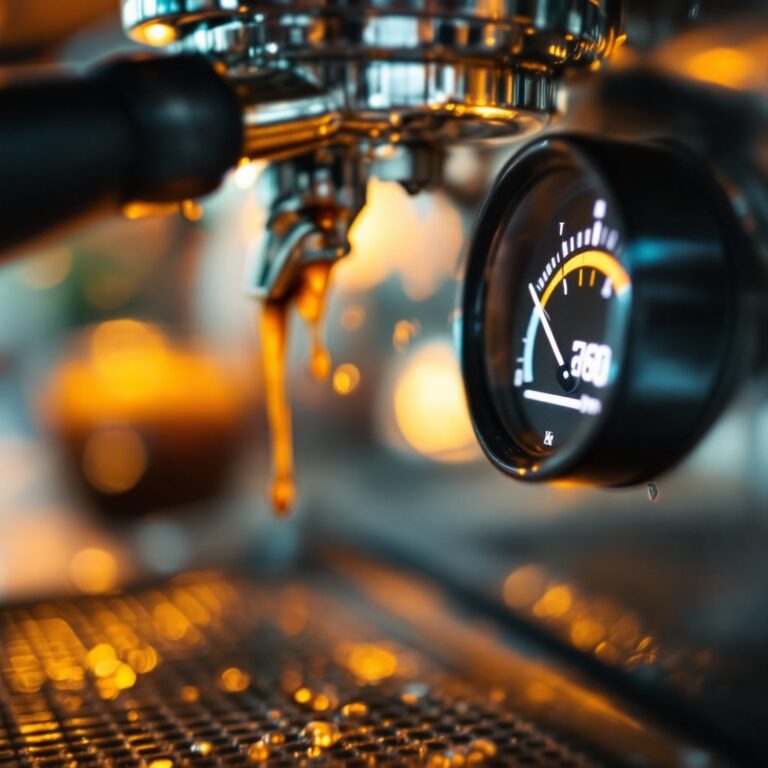
Here’s the thing. Most lists of the best coffee machines for beginners focus on convenience. Push a button, get a drink, everyone’s happy. But if you’re actually hoping to learn how to make good coffee at home? That approach sets you up for frustration. Your first coffee machine shapes your habits, your taste, and honestly, the kind of coffee drinker you become. Years behind a café bar taught me this, and more years testing machines at home confirmed it. The wrong first machine can really hold people back.
This guide is for anyone asking “which coffee machine should I buy as a beginner?” and feeling completely overwhelmed by the options. Makes sense, right? There’s so much out there. My goal is to help you avoid the shortcuts that seem helpful at first but end up stalling your progress. We’ll walk through the features that matter, the traps to avoid, and the machines I recommend to new users who want to grow real skills without draining their bank account.
The Beginner’s Trap: Why ‘Easiest’ Doesn’t Mean Best for Learning
The easiest option looks appealing for obvious reasons. You’re busy, you’re new, and you just want something that works. But here’s the catch: machines that automate everything usually hide the very process that teaches taste.
When training new baristas, the ones who learned fastest were the ones who could see and feel what was happening. They’d watch espresso change color, listen to milk steam, adjust grind size, and actually understand what each step meant. Watching those lightbulbs go off never got old.
A machine that does everything for you? It takes away that feedback. Sure, it might give you a decent cup, but it won’t teach you anything. After a few months, you hit a wall. You want better flavor, but you can’t influence the process because the machine never let you learn in the first place.
So the real question isn’t “which machine is the easiest?” It’s “which machine helps me build reliable habits without overwhelming me?”
The 3 Non-Negotiable Features in a Beginner Coffee Machine
After testing hundreds of machines (yes, really), these are the features that help beginners learn fast without making the process stressful.
1. Stable Temperature
Water temperature that swings all over the place means your coffee will taste sharp one day and muddy the next. New users almost always think they made a mistake when the machine was the real problem. Super frustrating.
2. A Consistent Way to Control Brew Time
For drip brewers, that means a reliable flow rate. For espresso, that means a proper control switch or button that stops the shot when you choose. Learning happens much faster when you can actually adjust timing.
3. No Gimmicks Pretending to Be Features
Machines that try to fix your technique with fake crema makers, mystery pods, or plastic pressure hacks rob you of the chance to learn. A simple coffee maker for beginners is almost always better than a “smart” one loaded with bells and whistles.
Best Budget Coffee Makers Under $100: Our Top 3 Skill-Builders
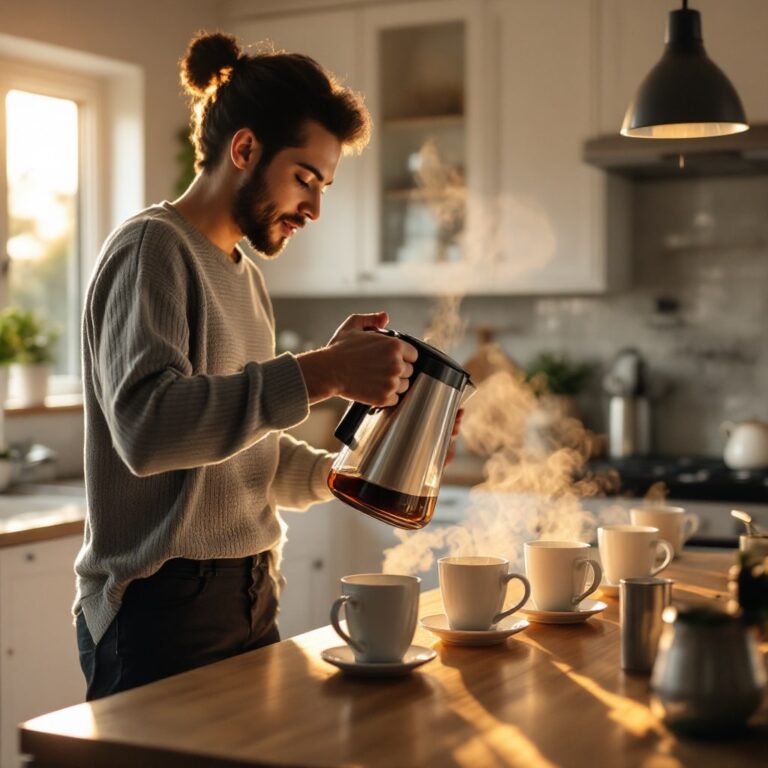
These three machines give beginners a clear path to better brewing, all under $100. They’re forgiving, easy to use, and they teach the core fundamentals.

1. Braun BrewSense
This one’s my top pick for a beginner coffee maker. It stays steady on temperature, tastes clean, and doesn’t rely on silly features. The flavor clarity teaches your palate what good extraction actually tastes like. And that’s huge.
Great for:
- People who want drip coffee every morning
- Folks who want an entry-level coffee maker that lasts
- Anyone sensitive to bitterness
2. OXO 8-Cup
The bloom cycle helps beginners understand why timing matters. Since the brewer handles water distribution well, you can focus on grind size and freshness instead of fighting the machine.
Great for:
- New users testing different beans
- Households with multiple coffee drinkers
- Anyone who wants café-style drip at home
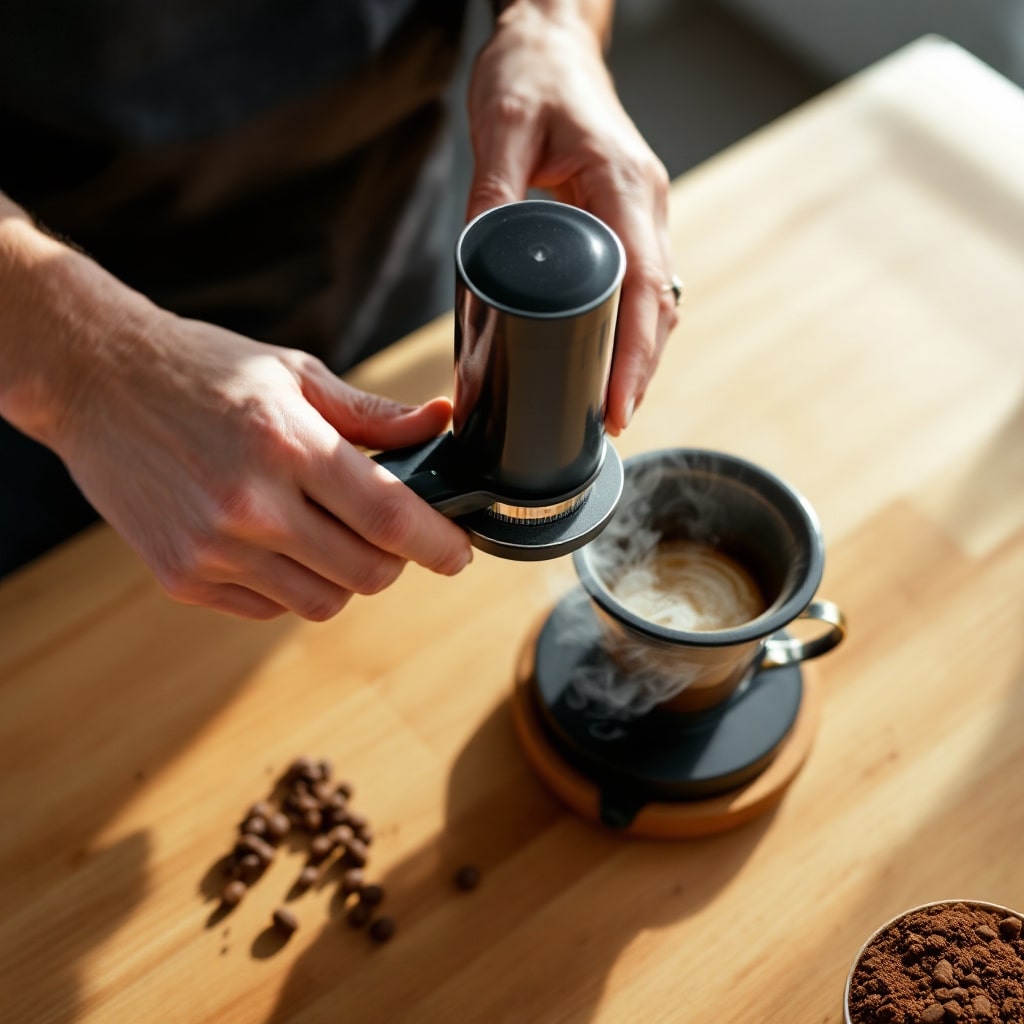
3. AeroPress
Yes, it’s manual. And yes, you’ll learn fast. The AeroPress gives you feedback instantly. Mess something up and you’ll know it. Honestly, if teaching every new barista at home were possible, this is where they’d start.
Great for:
- Students
- People who travel
- Anyone wanting hands-on learning without the stress
Beginner-Friendly Espresso Machines Under $200: Worth the Jump?
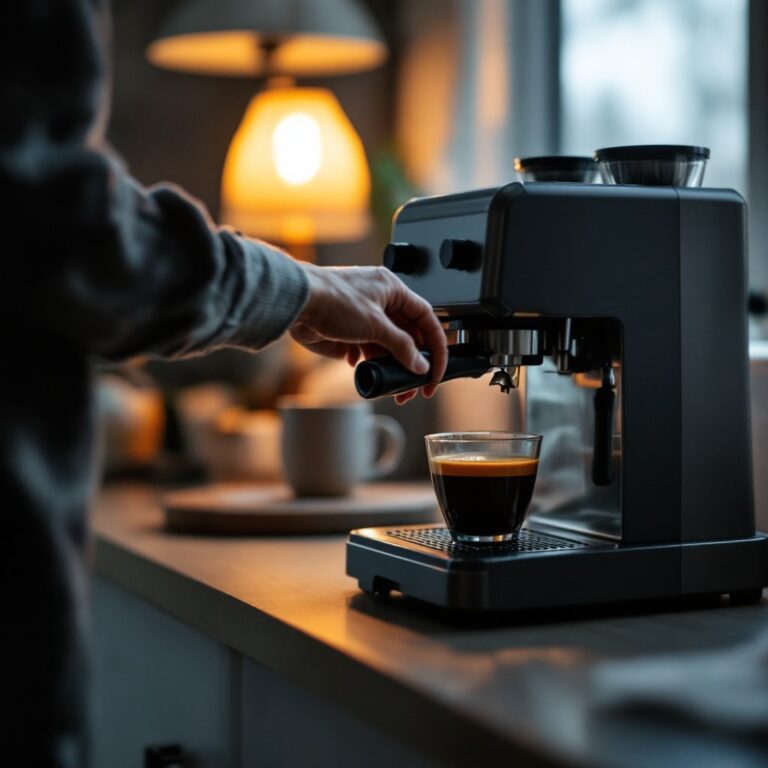
Espresso is exciting, but it also exposes every single mistake. Training baristas showed me something interesting: some nailed milk steaming in one week, then took three months to get espresso consistent. Sound familiar? That’s why slowing down makes sense unless you’re genuinely ready for a learning curve.
But maybe you want a beginner-friendly espresso machine and you’re working with a budget. These options give you real control without setting you up for failure.
My Top Picks:
- DeLonghi EC155: Cheap, simple, and good enough to teach timing. Nothing fancy, which is kind of the point.
- Gevi 15-Bar Compact: More stable than most in this price range. Honestly surprised me.
- Flair Neo: Manual, but incredibly educational. Understanding pressure and flow happens in ways automatic machines completely hide.
These beginner-friendly espresso machines under $200 won’t stunt your growth. Just pair them with a real burr grinder. No machine, no matter how good, can save bad grind consistency.
One-Touch vs. Manual: Which Path Fits Your Coffee Goals?
Look, there’s no wrong path here. There’s just the path that matches your personality.
Choose a one-touch machine if:
- Convenience is your only priority
- The same drink every day sounds perfect
- Fussing with grind size, tamping, or steaming sounds tedious


Choose a manual or semi-automatic if:
- Café drinks fascinate you and you want to learn how they’re made
- Taste matters a lot to you
- This feels like a hobby, not a chore
As someone who loves milk drinks, here’s my honest take: steaming is where beginners learn the fastest. And it’s genuinely fun. Understanding texture, temperature, and control happens in ways you never expected. But does that sound annoying instead of exciting? A one-touch model might honestly make you happier.
Your 30-Day Beginner Barista Roadmap: From Unboxing to Impressive Cups
Here’s the plan friends get when they buy their first coffee machine.
Days 1–3: Set Up and Taste Tests
- Learn your machine’s quirks (every machine has them)
- Taste your coffee black, even if you don’t usually drink it that way
- Start noticing acidity and bitterness. Just notice, don’t judge
Days 4–10: Dial In Grind Size
- Keep notes. Seriously.
- Change one thing at a time
- When you nail a great cup, repeat it to build muscle memory
Days 11–20: Start Milk Work (If You Have a Steam Wand)
After steaming thousands of pitchers, here’s my advice:
- Start with cold milk
- Stop at the point where the pitcher gets warm, not hot
- Aim for quiet steaming instead of loud hissing. That’s where the magic happens.
Smooth microfoam will come long before fancy latte art. And that’s okay.
Days 21–30: Build Your Daily Routine
- Set a go-to recipe you love
- Try one new bean
- Give yourself space to experiment without pressure
By day 30, you’ll have habits that last for years. Seen it happen over and over.
Your first coffee machine should teach you how to taste, how to adjust, and how to actually enjoy the process. Whether you want the best coffee machines for beginners at home or just a simple first coffee machine that fits your budget, choose something that builds confidence instead of taking control away.
Pick the machine that matches your goals, set aside a few minutes each day to practice, and you’ll be making impressive cups sooner than you think. Promise.