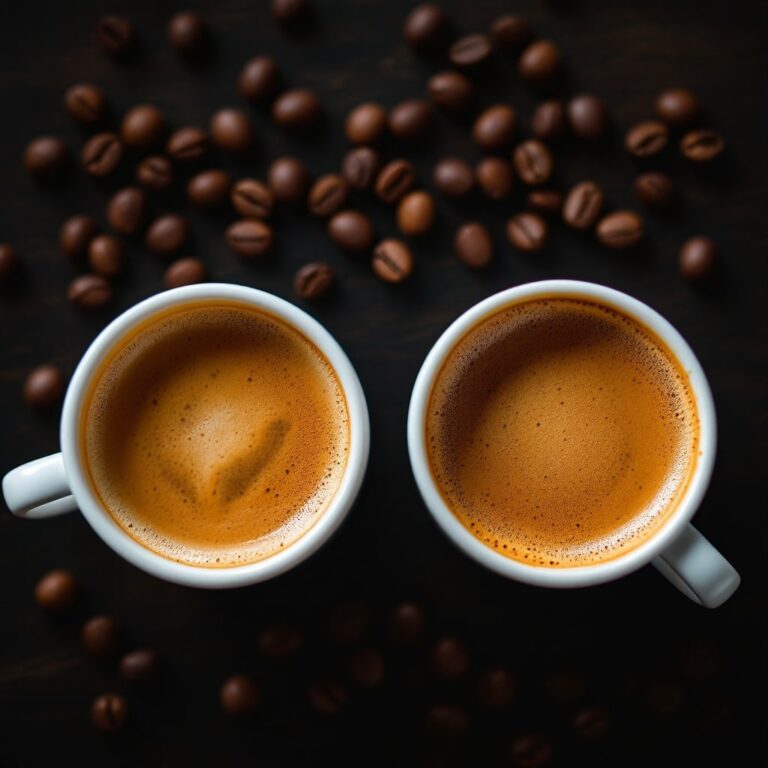
I’ll admit something I used to avoid saying out loud. Years ago, I bought a semi-automatic espresso machine that cost more than my monthly rent at the time. I was convinced it would unlock some hidden coffee superpower in me. It didn’t. What it unlocked was a string of watery shots, burnt shots, under-extracted shots, and a permanent reminder that skill matters more than price. That moment pushed me to rethink how people choose between an automatic vs semi-automatic coffee machine, because most shoppers are asking the wrong question.
When people ask me whether they should get a semi-automatic or an automatic machine, they usually expect a technical answer. But the real question is simpler: How do you live your mornings? Your routine probably looks less like barista mastery and more like a race against the clock, squeezing coffee into the chaos before 9 a.m.
This guide offers clear, honest answers about the difference between automatic and semi-automatic coffee machines, what they actually demand from you, and how to match the right machine to your real life. Not your aspirational self.
How Automatic and Semi-Automatic Coffee Machines Actually Work
Most breakdowns get overly complicated, so let me keep this practical and visual.
Semi-Automatic Machines
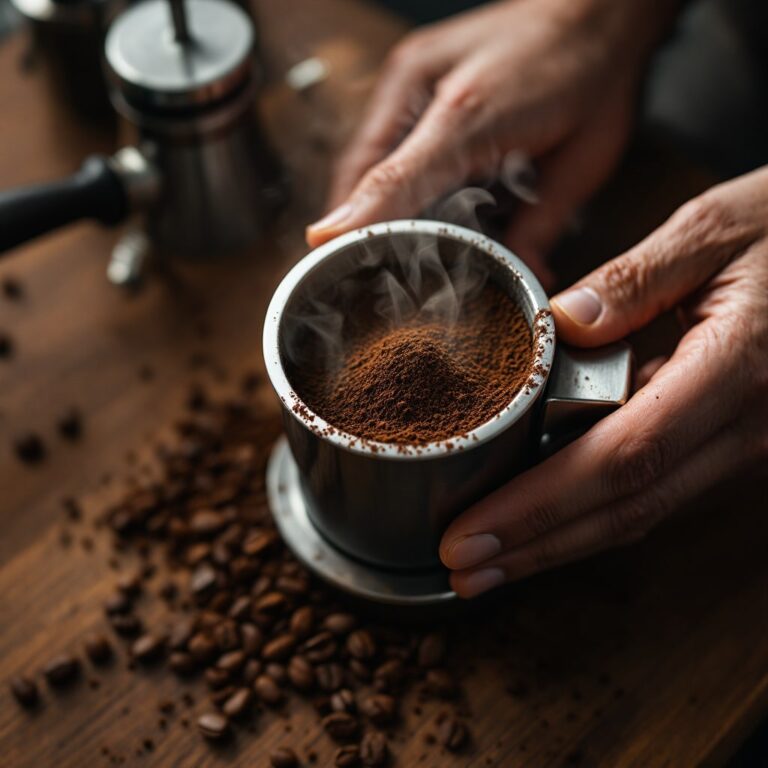
With these machines, you get a pump that controls pressure, a portafilter to fill with freshly ground coffee, and a switch to start and stop the shot manually. The grind, dose, and tamp are all on you. Lock in the portafilter, pull the shot, time it, steam your milk, and clean up afterward.
Nearly everything stays in your hands except the water pressure. That’s the whole charm. Or the whole headache, depending on your personality.
Automatic Machines
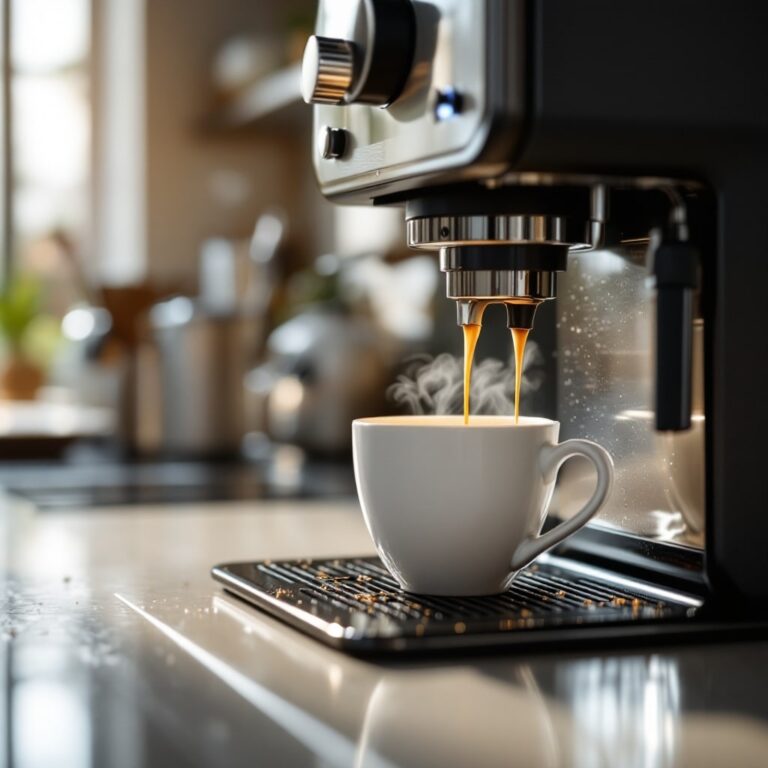
When explaining how automatic coffee machines work, I tell people to picture a tiny barista living inside. The machine grinds beans internally, measures the coffee, tamps automatically inside a small brew chamber, and pulls the shot based on preset volume and temperature. After brewing, it dumps the puck into a waste container.
One button press. The machine handles the chain reaction.
Super-Automatic Machines
Since people love to compare semi-automatic vs super-automatic espresso machines, here’s the one-line definition: super-automatics do everything above plus automatic milk frothing. Press “cappuccino” and you’re done.
Offices and busy households tend to benefit most from these machines.
The Learning Curve Nobody Talks About: Semi-Automatic Reality Check for Beginners

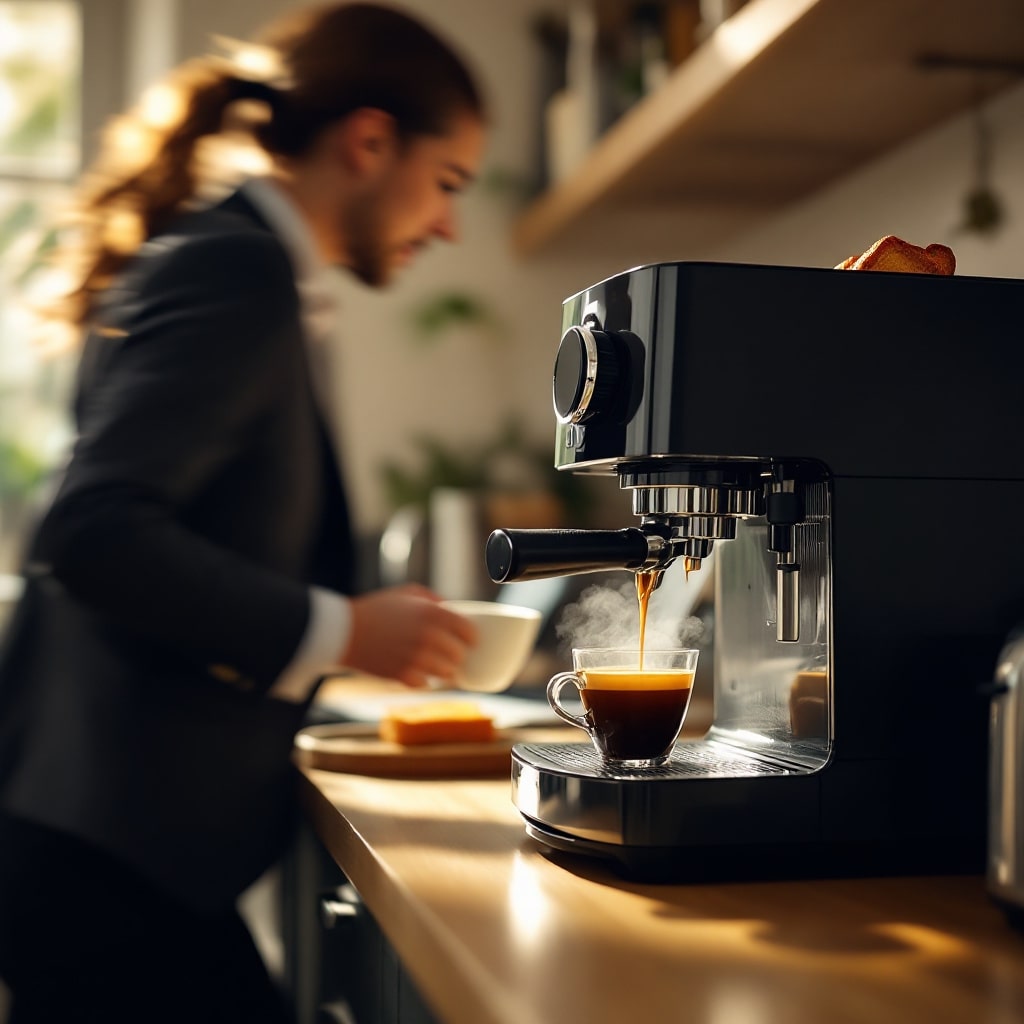
Here’s what I wish someone had told me when I bought my first machine: a semi-automatic espresso machine for beginners is basically a crash course in failure. Fun failure, sure, if tinkering with new skills excites you. But not fun at all when you just want caffeine ready before answering emails.
The variables pile up fast. Grind size variations. Dose inconsistencies. Tamping pressure. Extraction timing. Channeling problems. Steaming technique. And the cleanup. Always the cleanup.
Some people genuinely love this process. They get a real kick out of tweaking little variables until everything clicks. But many think they’ll love it, buy the machine, and then quietly switch to capsules a month later.
Ever catch yourself asking, “Is a semi-automatic coffee machine hard to use?” The answer is yes. Unless you enjoy the craft.
The Busy Morning Test: Matching Machine Type to Your Actual Lifestyle
Look, making incredible espresso on both machine types is absolutely possible. But that isn’t the deciding factor. Lifestyle is.
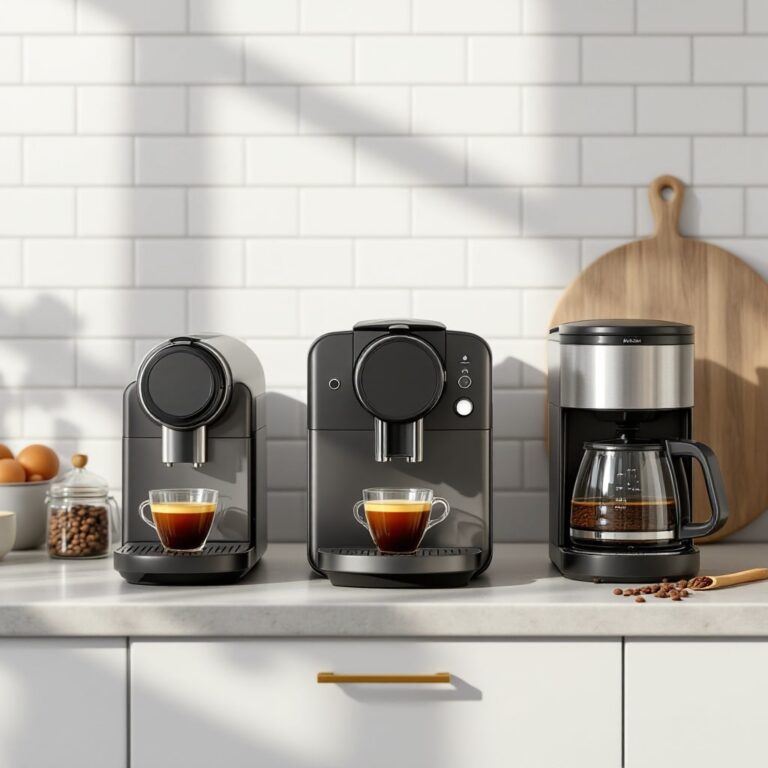
Here’s what I ask clients when helping them choose between automatic and semi-automatic coffee maker options.
Picture your typical morning:
Do three alarms go off before you actually get up? Are children, pets, or meetings competing for your attention? Do you drink coffee half-asleep and prioritize speed over everything else?
An automatic machine is your answer. No question.
Or maybe your mornings look different:
Slow starts feel natural to you. Rituals bring comfort. Tinkering with variables sounds appealing rather than exhausting. Practice doesn’t feel like a burden.
A semi-automatic might fit better in this case.
And for offices? Trust me on this: the best coffee machine for busy mornings is always automatic or super-automatic. Group settings destroy semi-automatics. Nobody cleans them properly, nobody learns the technique, and the coffee stays inconsistent.
Taste Test Truth: When Automatic Machines Beat Semi-Automatic (Yes, Really)
Some coffee folks insist semi-automatics always produce better espresso. That’s just not true anymore. Modern automatic machines, especially mid-range bean-to-cup models, deliver incredible consistency. And consistency matters more than theoretical potential.
 In skilled hands, a semi-automatic can produce superior espresso. But in real homes with real people? The opposite often happens. Automatic machines nail the temperature every time. They measure precisely. Channeling mistakes become rare. Human error drops dramatically.
This is why bean-to-cup vs semi-automatic debates are getting less dramatic. Automatics have closed a lot of the gap.
Decision Framework: 7 Honest Questions to Find Your Perfect Match
Ignore all the noise if you answer these honestly.
- How many coffees do you make each day? More than two, and automatic starts making sense.
- Do hands-on skills excite you, or do push-button routines suit you better? Be honest about this one.
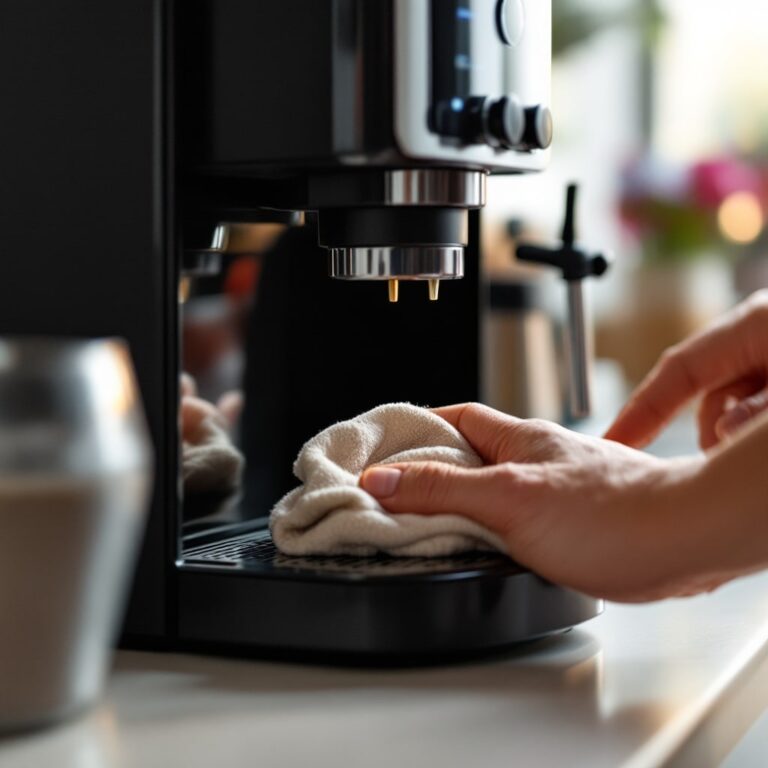
- How tidy are you, realistically? Semi-automatics require constant wiping, rinsing, and backflushing.
- Would you invest in a quality grinder? Semi-automatics depend on the grinder far more than automatics do.
- Is counter space tight? Automatics are taller but eliminate the need for a separate grinder.
- Does steaming milk manually sound fun or messy? Your answer reveals a lot.
- Do you care more about potential coffee quality or consistent coffee quality? These aren’t the same thing.
This set of questions has helped dozens of my readers figure out how to choose between automatic and semi-automatic coffee maker options without second-guessing themselves.
Answering those questions honestly probably already pointed you toward the right machine. Automatic machines suit busy homes and offices that want consistency. Semi-automatics suit people who crave the craft. Both can be wonderful, but only when they match your lifestyle.
Here’s where I normally point readers next.
Either way, becoming a barista isn’t the goal. Finding a machine that makes your mornings smoother, calmer, and maybe a little more delicious? That’s the goal.